Your Cart is Empty
The best Centella skincare product for you is the one that fills a real routine need and has a complete formula you tolerate. Start with your concern, choose the right format, then inspect the ingredient list and evidence. A large extract percentage or a “cica” name is not a reliable shortcut to the best product.
Look for Centella asiatica extract or a specifically named constituent such as madecassoside. “Cica” is a useful search term, but it does not identify one standardized preparation. An extract, an extract water and a purified compound are not equivalent measurements.
If a brand gives a percentage, ask what it measures: the supplied extract preparation, plant solids, or a named compound. If that is not disclosed, do not invent the answer. Read how Centella percentages and formulations differ.
| Your need | Format to consider | Decision that matters most |
|---|---|---|
| A light optional layer | Serum, ampoule or essence | Whether your routine needs it and your skin tolerates the base |
| Dryness or tightness | Moisturizer | Adequate moisturizing ingredients, not just a botanical percentage |
| A toner after cleansing | Leave-on toner | An optional step; check whether it also exfoliates |
| Occasional overnight moisture care | A mask labeled for overnight use | Directions, texture and tolerance of every aromatic ingredient |
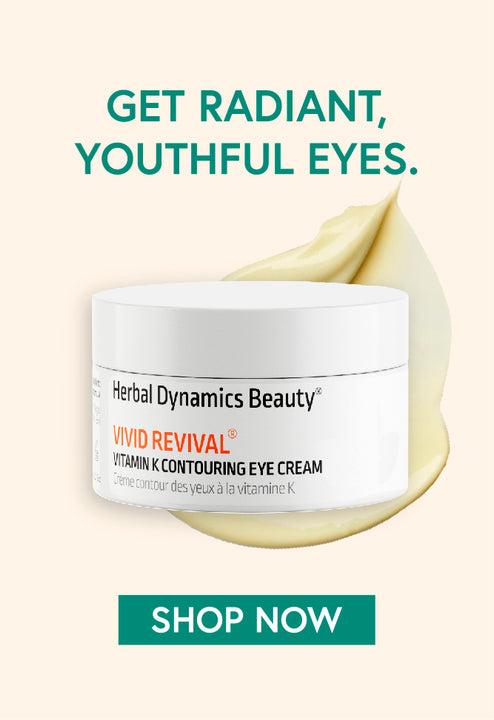
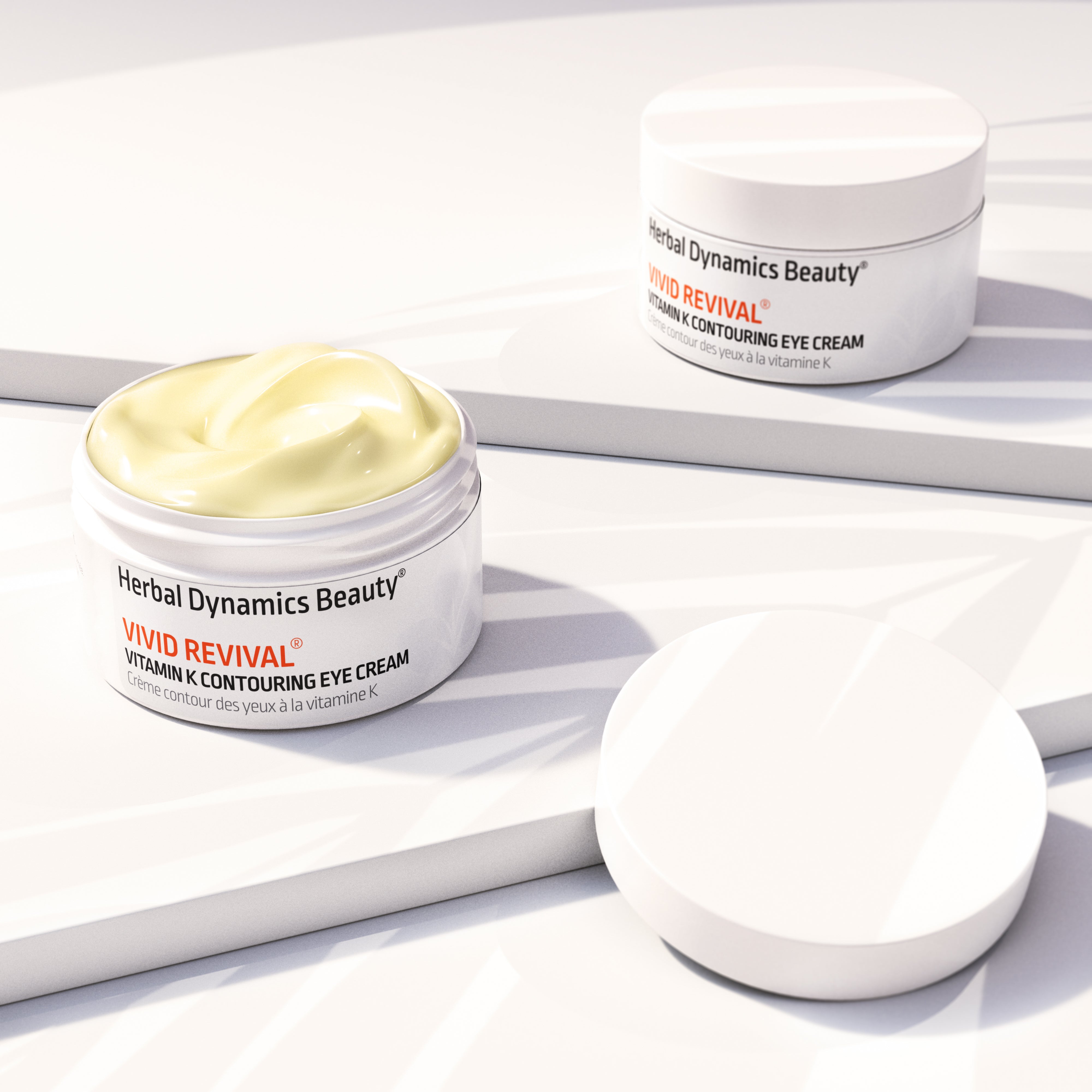
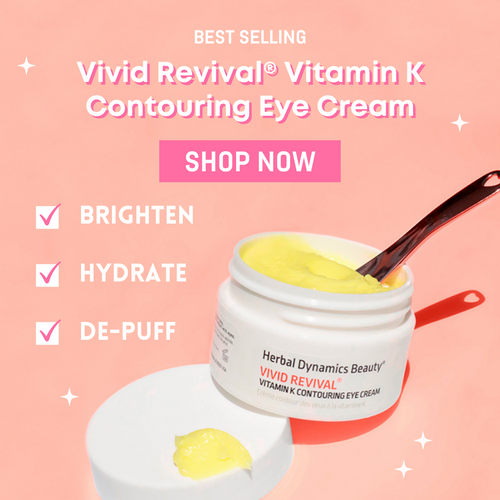
| A product for the under-eye area | A product specifically intended for that area | Area-specific directions; do not assume a facial serum suits eyelids |
A serum and a toner can have very similar textures. Neither category is inherently more potent, and the word “ampoule” does not prove a particular concentration.
For dryness and barrier support, assess the moisturizer base first. For sensitive or redness-prone skin, check known personal triggers and potentially irritating extras. For acne-prone skin, keep your treatment plan and choose Centella only as a suitable supportive cosmetic.
Persistent redness, pain or a recurrent rash cannot be solved by selecting a stronger botanical percentage. Those signs may need professional assessment.
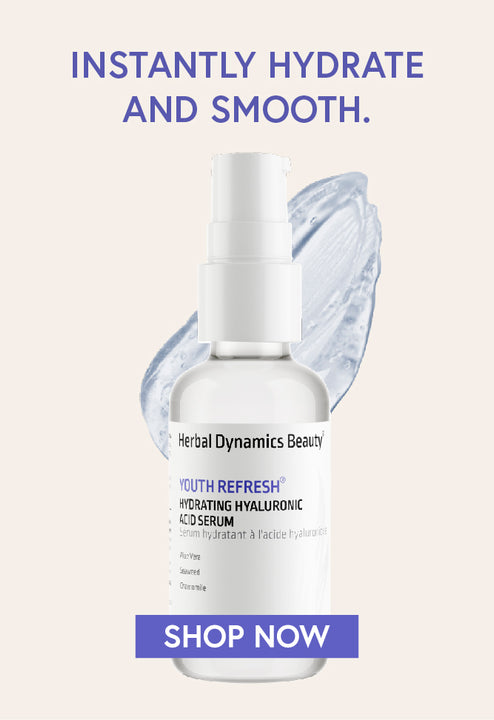
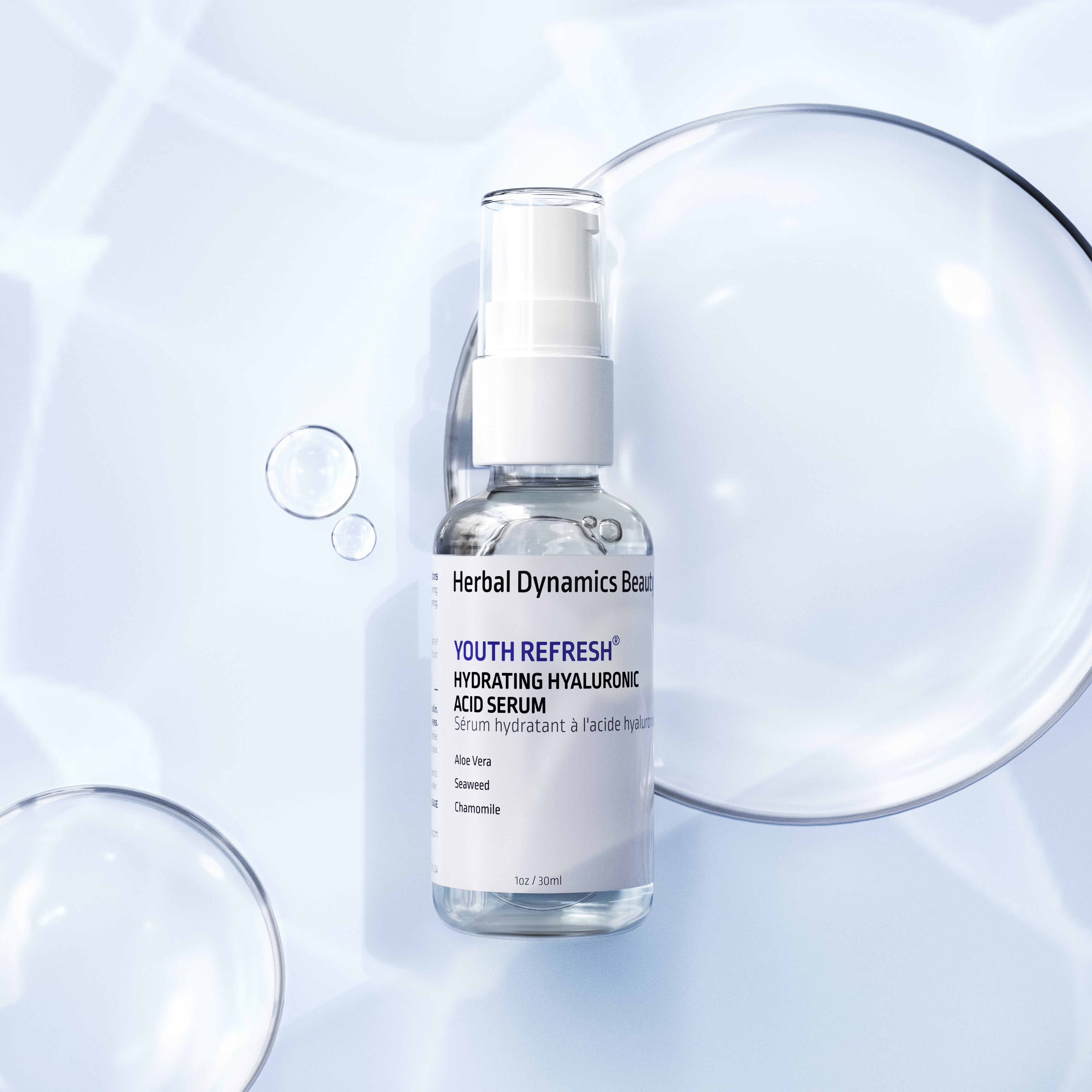
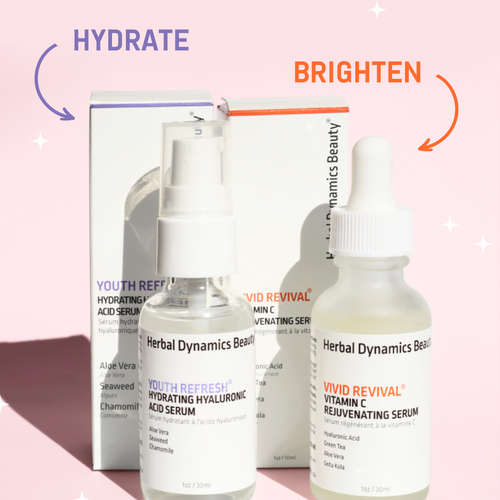
Hyaluronic acid, glycerin, panthenol, ceramides and niacinamide can give a product different roles. They do not guarantee that every combination is superior. Use the ingredient compatibility guide to decide whether one multifunctional formula could replace unnecessary layering.
For sensitive-feeling skin, look beyond “natural” claims to fragrance, aromatic oils, exfoliating ingredients and any other actives. If a product contains a known personal allergen, its Centella content is not a reason to try it.
A useful clinical claim should identify what was tested. Was it the exact finished formula? Was it used on people with a relevant concern? Was there a meaningful comparison group? Research on a vitamin C–madecassoside combination, for example, does not establish the performance of a different Centella serum.
Also consider packaging, directions and storage information. Do not mix raw extracts into finished products: the resulting concentration, stability and preservation would be uncertain.
These are ingredient-list examples for different routine roles, not a ranking or evidence that any one product reproduces a Centella study.
Choose one product, test a small area and follow its directions. Keep your existing comfortable routine stable while you assess the addition. You do not need a complete set of products sharing the same plant.
Continue with how to use Centella skincare or what to do if a cica product causes irritation. The Centella ingredient guide explains the research behind the selection criteria.
By Herbal Dynamics Beauty • Updated October 1, 2026
Commercial disclosure: Herbal Dynamics Beauty publishes this guide and sells the Herbal Dynamics Beauty products mentioned. Research citations are provided for education and do not imply that the researchers endorse our products. Ingredient studies are not clinical tests of these finished formulas.