Your Cart is Empty


Quick answer: Vitamin C is not generally expected to cause true “purging.” New bumps after starting a serum are more likely to reflect irritation, an acne-triggering part of the formula, another routine change or coincidence. Burning, persistent redness, itching and scaling are signs to stop and reassess.
| What you see | What it may suggest |
|---|---|
| Brief mild tingling with no lasting redness | Possible sensory response to an acidic formula; still monitor comfort |
| Burning, itching, swelling, rash or scaling | Irritation or allergic/contact reaction—stop use |
| New clogged pores in unusual areas | The formula may not suit your skin; do not assume purging |
| Acne flare in usual areas after several routine changes | Cause is uncertain; simplify and reintroduce one product at a time |
Classic L-ascorbic acid is often formulated at a low pH, and higher-strength acidic formulas may be uncomfortable for reactive skin. Fragrance, solvents, preservatives or another ingredient can also be responsible. Even a gentle derivative can irritate an individual user.
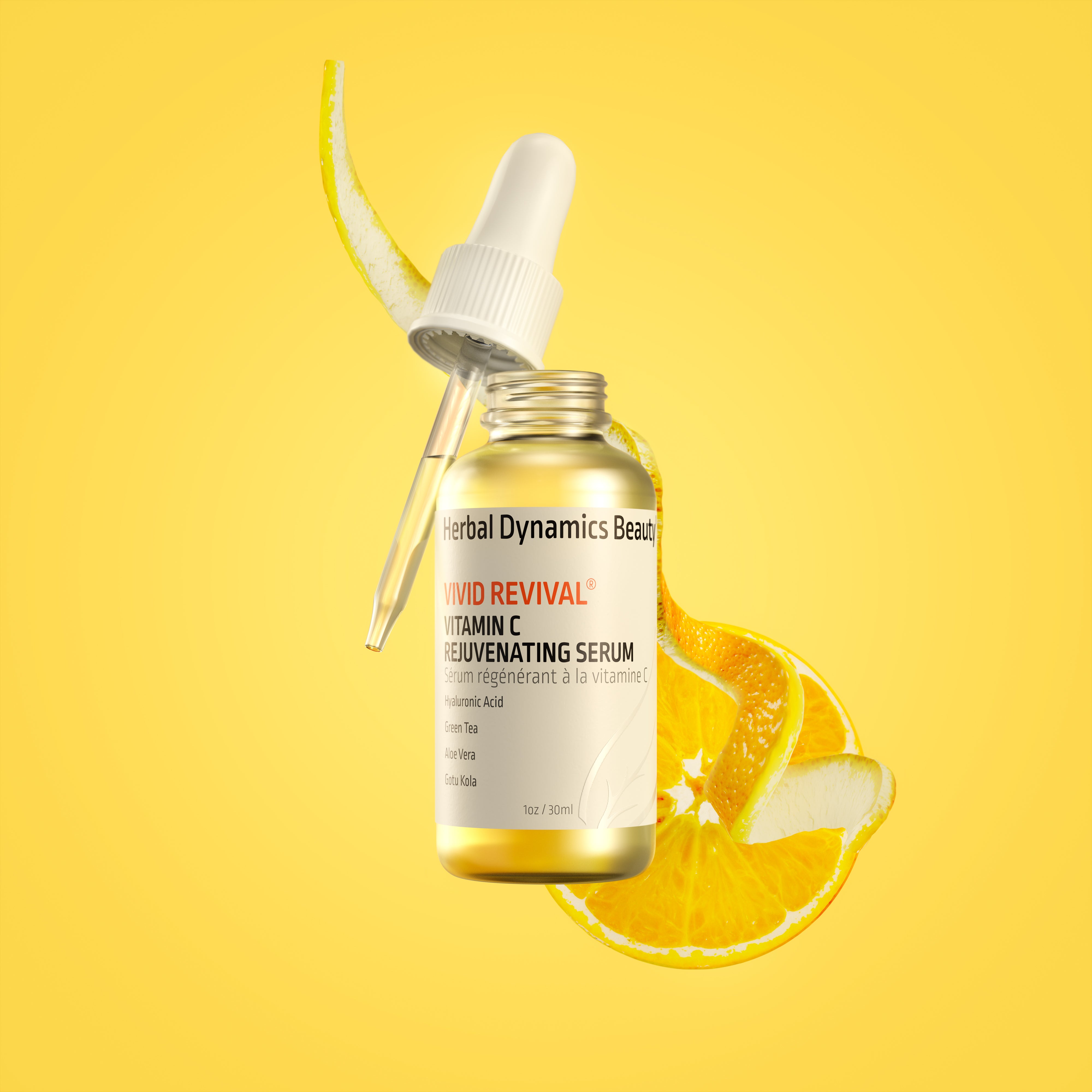
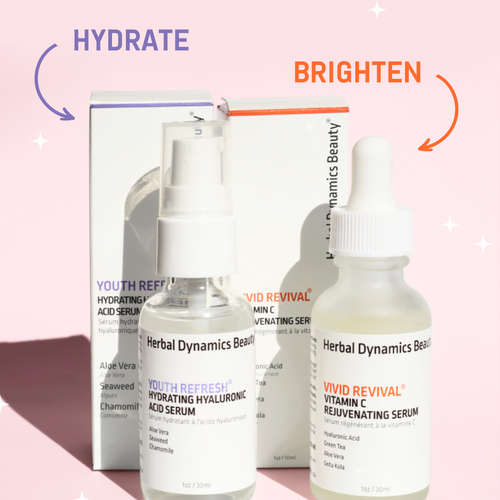
Choose a formula matched to your skin, introduce it two or three times weekly and avoid changing several actives together. A derivative-based option such as Vivid Revival® Vitamin C Rejuvenating Serum may feel different from an acidic L-ascorbic acid serum, but patch testing is still appropriate.
Inflammation can leave post-inflammatory hyperpigmentation, particularly in melanin-rich skin. If a “brightening” routine repeatedly irritates you, it can work against its own goal. Read Can vitamin C make hyperpigmentation worse? for a pigment-safe approach.
This guide cannot diagnose acne, allergy or contact dermatitis. Stop a product and seek professional care when symptoms are significant or persistent.