Your Cart is Empty

Quick answer: Vitamin C is not expected to directly increase melanin or worsen hyperpigmentation. However, an irritating formula or overly aggressive routine can cause inflammation, and inflammation may leave darker post-inflammatory marks—especially in melanin-rich skin. Inadequate sun protection can also obscure progress.
Low-pH L-ascorbic acid, high active loads, frequent exfoliation or a formula that simply does not suit your skin can cause inflammation. Post-inflammatory hyperpigmentation follows injury or inflammation, so continuing through a reaction may create or prolong discoloration rather than improve it.
A darkened L-ascorbic acid formula may leave a temporary orange or brown cast on the skin. That surface color is not necessarily new melanin, but it is a sign to assess the product’s age, odor, packaging and manufacturer guidance. Read why vitamin C serum changes color.
Sun exposure can maintain or deepen many pigment problems. Broad-spectrum SPF 30 or higher is foundational. For melasma or persistent discoloration in deeper skin tones, tinted sunscreen containing iron oxides may add visible-light protection, as recommended in dermatology guidance.
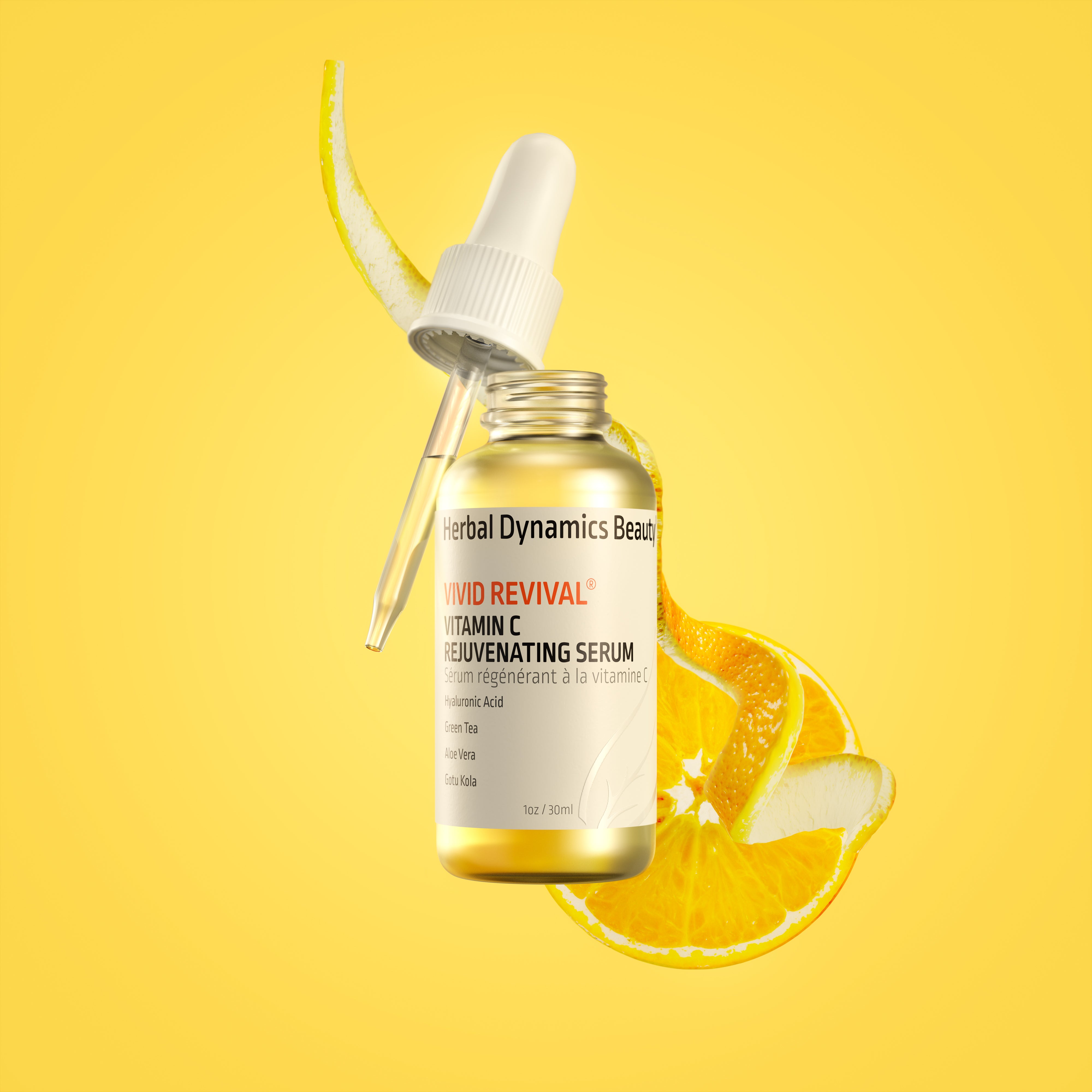
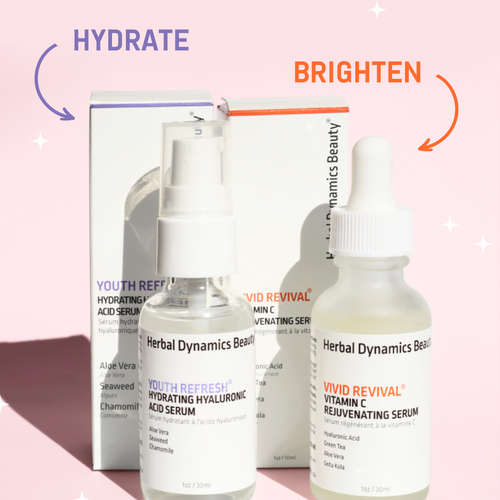
If acidic formulas repeatedly irritate you, a derivative-based formula such as Vivid Revival® Vitamin C Rejuvenating Serum may be an option, but no ingredient is irritation-proof.
Melasma, medication-related pigmentation and changing lesions require more than a generic brightening routine. Consult a board-certified dermatologist for diagnosis and options appropriate to your skin tone.
Do not use a cosmetic article to identify an unusual lesion. Seek medical evaluation for spots that are new, changing, bleeding or otherwise concerning.