Your Cart is Empty
Ferulic Acid may contribute to an antioxidant formula used for dull-looking skin, but dullness is not proof of oxidative stress. Dryness, surface roughness, uneven tone and lighting can all change how luminous skin looks. Choose the care that addresses the visible issue, with Ferulic as an optional formula component rather than a guaranteed glow treatment.
| Observation | Useful first question | Where Ferulic fits |
|---|---|---|
| Tightness and a rough, dry surface | Is the moisturizing base adequate? | An antioxidant serum may not fill the missing moisturizing function. |
| Uneven-looking color | Are there specific dark marks or a pigment concern? | Assess pigment evidence separately from general antioxidant activity. |
| A flat appearance after many new actives | Could irritation be affecting comfort and texture? | Another active is not the first answer to a reacting routine. |
| A desire for an optional antioxidant step | Does the formula suit your skin and current products? | Ferulic can be considered within a supported complete product. |
The dull-skin guide owns the broader concern. This page examines the narrower role of Ferulic.
Ferulic is a phenolic antioxidant. Its chemistry makes it relevant to formulations intended to address oxidative processes associated with environmental exposure. That rationale does not show that every dull complexion has the same cause or that a bottle can eliminate oxidative stress.
The Ferulic pillar separates ingredient identity from clinical evidence. Pollution and environmental-exposure research explains why a controlled exposure experiment differs from a general radiance claim.
A small 2022 study compared free and encapsulated Ferulic creams over four weeks and reported differences in measured skin characteristics. Testing involved upper-arm skin, not a trial of every daily facial serum or a direct test of consumer “glow.”
A change in instrument-measured tone or texture is not interchangeable with a guaranteed visible transformation. Formulation, the moisturizing base, study area and comparison design all affect interpretation. The timeline guide explains how to assess those claims.
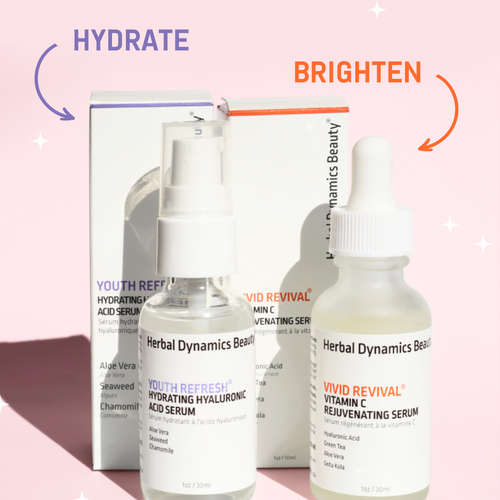
A product can include Vitamin C alongside Ferulic. The Vitamin C form and finished formula matter, and the ingredient’s separate evidence should remain separate from Ferulic-only claims. Vitamin C for dull-looking skin and the C and Ferulic pairing guide cover that decision.
Hydrating ingredients can change surface feel through a different role. Humectants and a suitable moisturizer may be more relevant when dryness is the dominant issue. You do not need a separate serum for every featured ingredient in a combined formula.
Ferulic is not a substitute for glycolic acid, salicylic acid or a retinoid. Its name includes “acid,” but its principal cosmetic role is different. If roughness prompts you to consider exfoliation, use exfoliation guidance and review tolerance before adding another active.
If your chosen Ferulic serum also contains exfoliating acids, those ingredients determine part of its irritation and use profile. Sensitivity guidance helps read that whole-formula decision.
Use Ferulic routine placement and serum selection for practical choices. If the main concern is individual dark spots, Ferulic pigment guidance addresses a different endpoint.
By Herbal Dynamics Beauty · Updated October 4, 2026.