Your Cart is Empty

Ferulic Acid and Vitamin C are different antioxidants that can work together in a carefully designed formula. Vitamin C has its own skincare evidence; Ferulic can contribute antioxidant activity and, in specific systems, improve stability. Choosing both makes sense when the finished product suits your goal, not simply because two antioxidants sound stronger than one.
| Question | Ferulic Acid | Vitamin C |
|---|---|---|
| What is it? | A phenolic hydroxycinnamic acid. | Ascorbic acid, or a named derivative used in the formula. |
| Why is it included? | Antioxidant and formulation roles. | Antioxidant use and other form-specific skin functions. |
| What matters on a label? | Actual ingredient, dose disclosure and vehicle. | The Vitamin C form, dose, vehicle and stability. |
| What does the name not establish? | A universal wrinkle or pigment result. | Equal performance across all derivatives and finished products. |
The Vitamin C pillar owns the broader ingredient benefits. L-ascorbic acid versus derivatives explains the forms without treating their percentages as interchangeable.
Antioxidants can participate in a network of reactions, rather than functioning as isolated scores. The pairing is especially associated with research on a defined Vitamin C, Vitamin E and Ferulic system. That evidence supports formulation development, not the assumption that every C + Ferulic product behaves alike.
The landmark animal work found improved vitamin stability when Ferulic was incorporated into the tested C and E solution. Stability inside one formulation differs from the effect of layering two unrelated products. The triple-antioxidant guide separates the animal findings from later human research.
No. Water content, pH, solvents, antioxidant form, package and storage can all matter. Adding a separate Ferulic layer to your face cannot demonstrate that the Vitamin C remaining in its bottle has become more stable. Nor does a clear or yellow appearance measure active content.
Use Ferulic stability and storage and Vitamin C color-change guidance for the relevant questions. Avoid mixing raw powders or altering a preserved formula at home.
If your current product is comfortable and fills the role you want, Ferulic is not a compulsory upgrade. Compare the complete formula’s evidence and texture before adding another step. A product that makes sunscreen harder to apply comfortably has a practical disadvantage, whatever its antioxidant list.
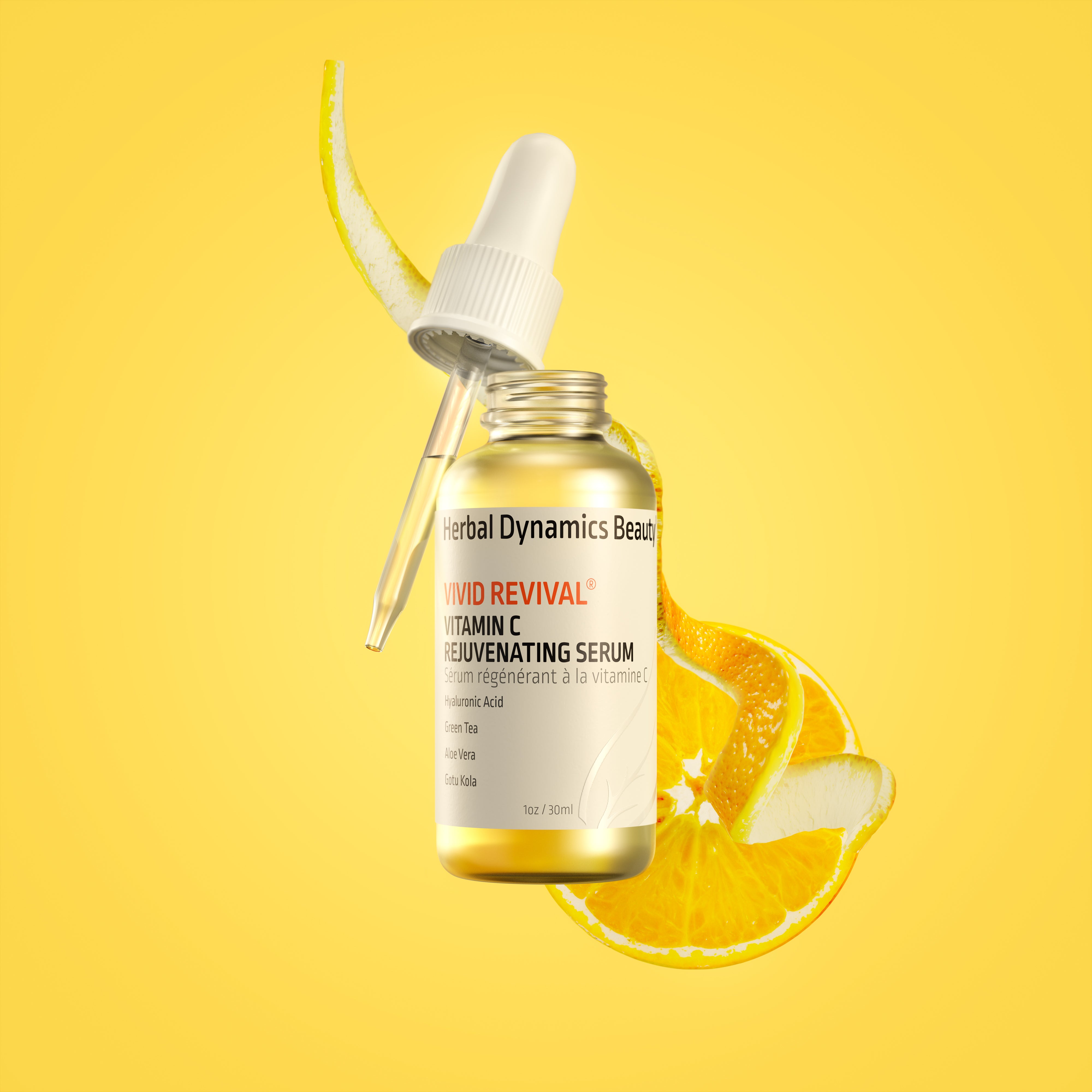
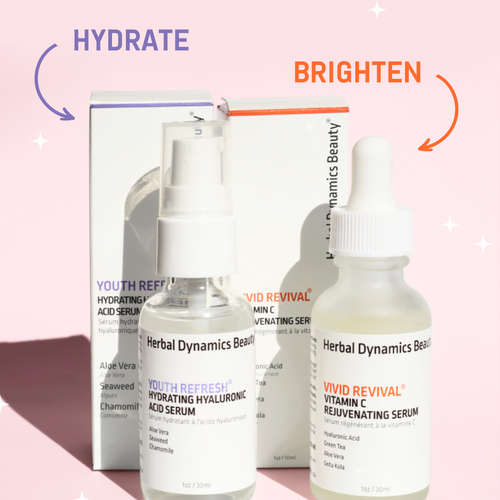
For a Vitamin C example, Vivid Revival® Vitamin C Rejuvenating Serum lists Ethyl Ascorbic Acid with hydrating ingredients and botanical extracts. Its published ingredient list does not contain Ferulic Acid or Vitamin E. It is a Vitamin C option, not a C + E + Ferulic serum, and the studies of that triple combination do not establish results for this product.
Follow the finished product’s directions. An ordinary serum often fits after cleansing and before moisturizer; daytime sunscreen remains the final skincare step. Morning use is a practical option alongside sun protection, but the ingredient names do not create a rule that excludes evening use.
Ferulic order and timing covers the sequence. If you already use a retinoid or exfoliant, combination guidance focuses on tolerance and product instructions rather than an automatic mixing rule.
For dark spots, consult Vitamin C pigment guidance and Ferulic-specific evidence. For an antioxidant purchase, use Vitamin C serum selection or Ferulic serum selection according to your starting point. Return to the Ferulic pillar for the full ingredient map.
Product disclosure: Herbal Dynamics Beauty publishes this article and makes and sells the linked serum. The ingredient studies cited here do not test that finished product or imply researcher endorsement.
By Herbal Dynamics Beauty · Updated October 4, 2026.