
Your Cart is Empty


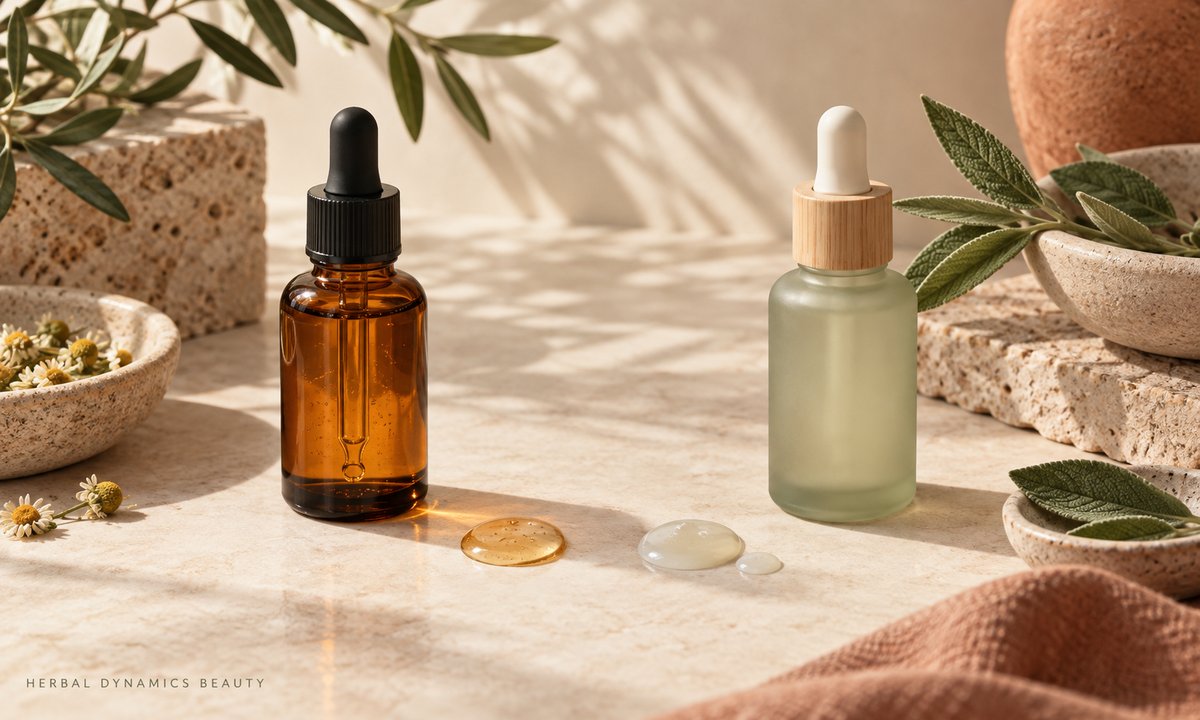
Ferulic Acid is a phenolic antioxidant used in skincare, often alongside Vitamin C and Vitamin E. It can help a well-designed formula address oxidative processes, and research supports specific combined antioxidant systems. It is not an exfoliating-acid substitute or sunscreen. Its usefulness depends on the finished formula, evidence and your skin’s tolerance.
Chemically, Ferulic Acid is a hydroxycinnamic acid: a small phenolic molecule found in plants, including cereal grains. Plant-derived starting materials and purified cosmetic ingredients are different descriptions. A rice-bran extract on a label does not disclose a measured Ferulic Acid dose; look for the actual ingredient declaration.
The word “acid” identifies part of its chemical structure. Skincare usually employs it for antioxidant and formulation roles, rather than the exfoliating purpose of glycolic or salicylic acid. A Ferulic product may still contain an exfoliant, so read the whole list.
Ferulic’s phenolic structure can participate in reactions that interrupt radical processes. Skin already has antioxidant defenses, and reactive species also serve normal biological functions. Free radicals and oxidative stress explains why the goal is not to remove every reactive molecule.
Laboratory activity is a starting point, not a measurement of facial results. Delivery, stability, dose and the surrounding formula determine whether a topical product does something useful. The antioxidant guide provides the broader framework.
| Research setting | Useful finding | Boundary |
|---|---|---|
| Animal UV model, Lin et al. | Adding Ferulic to a defined C and E solution improved stability and UV-challenge endpoints. | This was not a sunscreen SPF test or a human wrinkle trial. |
| Small human UV study, Murray et al. | A specified C + E + Ferulic formula reduced measured UV-induced damage markers. | The combined formula cannot establish Ferulic-only benefits. |
| Small upper-arm cream study, 2022 | Free and encapsulated Ferulic preparations were compared on skin measurements. | Short-term arm results do not establish facial dark-spot treatment. |
| Professional microneedling trial, 2026 | A combined antioxidant serum was studied as an adjunct to a procedure. | Procedure-plus-serum results differ from daily serum alone. |
For the most studied ingredient partnership, read Ferulic Acid and Vitamin C and the C + E + Ferulic evidence guide. Neither an ingredient checklist nor mixing separate bottles recreates a tested system.
These are ingredient-specific questions. They do not make oxidative stress a diagnosis you can see in the mirror, or establish that Ferulic is the best first step for every concern. Daytime sun protection remains fundamental.
Choose one product for a clear role. Use its directions and introduce it separately. An antioxidant serum cannot compensate for a reacting routine or turn an ordinary cosmetic into post-procedure care.
Vitamin C comparison is included in the Vitamin C pairing guide. This keeps the choice grounded in the same evidence that explains why the ingredients are combined.
By Herbal Dynamics Beauty · Updated October 4, 2026.






