Your Cart is Empty

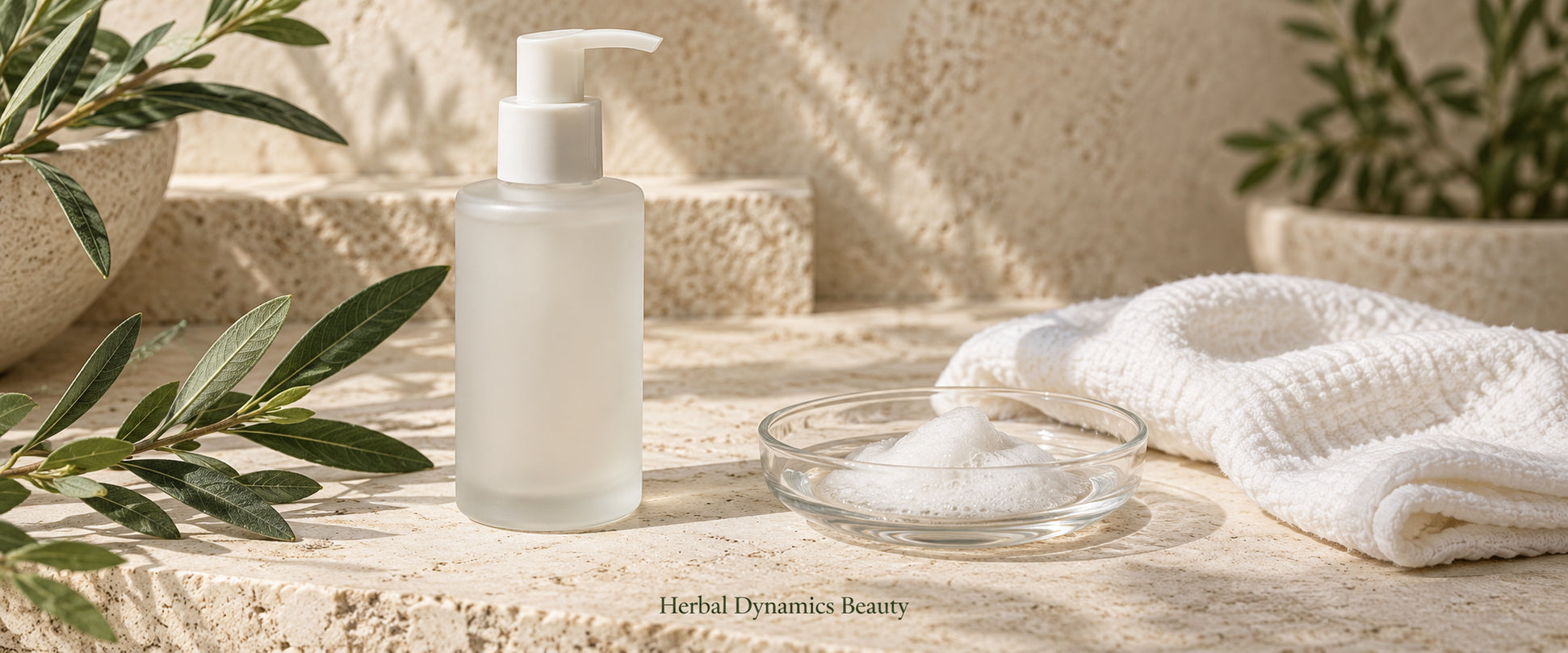
Use a remover intended for the makeup and area you are cleansing, give it the label-directed contact time, and remove residue with gentle contact. Stubborn makeup calls for a better-matched formula, not harder rubbing. A separate face wash afterward depends on the remover’s directions and what remains.
| Makeup | What to check |
|---|---|
| Everyday foundation | Whether your daily cleanser removes it comfortably |
| Long-wear or water-resistant face makeup | A remover or emulsifying cleanser intended for persistent products |
| Mascara and eyeliner | An explicit eye-area and makeup-removal use on the label |
| Lip products | Directions suitable for that area; avoid swallowing remover |
| Adhesives, extensions or specialized makeup | Product-specific removal instructions; do not improvise solvents |
Oil, balm and micellar formats can each be useful. Their category names do not establish that they will remove every product or be comfortable near the eyes. Compare cleansing balm versus oil and micellar water versus cleanser.
Keep products out of the eyes and follow the remover’s specific instructions. A face cleanser or essential oil is not automatically suitable for the lash line. If a product enters an eye, follow its first-aid instructions and rinse as directed; persistent pain, redness or visual changes need prompt medical advice.
Avoid pulling lashes or rubbing until the skin becomes sore. Waterproof eye makeup may need a different remover from the one you use for a light foundation.
No. A cleanser that already removes your makeup comfortably can be sufficient. If a dedicated remover is helpful, a second mild wash may fit its instructions. The double-cleansing guide explains how to make the sequence useful rather than automatic.
Do not use an acid toner to scrub away makeup left after washing. Toner has a different role; see micellar water versus toner.
Fragrance, preservatives, other ingredients and mechanical friction can all be relevant. DermNet’s cosmetic-reaction guidance explains why the timing or sensation alone cannot identify an allergen. Stop the suspected product and seek assessment for persistent or worsening symptoms.
A study of one micellar solution recorded users’ self-reported comfort, but it does not establish that the whole category is reaction-proof. Choose for your own tolerance and avoid experimenting with several new removers at once.
Removal does not need to be followed by exfoliation every night. Use the routine your skin tolerates, with moisturizer as appropriate. If you also wear sunscreen, read sunscreen removal. Return to the facial-cleanser guide for daily product selection.
By Herbal Dynamics Beauty · Updated September 21, 2026. General skincare education.