Your Cart is Empty
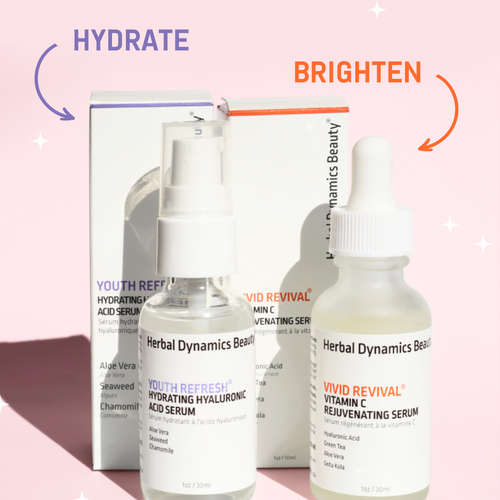
Niacinamide may gradually improve the appearance of uneven pigmentation, including some flat post-blemish marks, in an appropriate formula. It does not erase every dark spot, fill acne scars or replace diagnosis and treatment for melasma or a changing lesion. Daily sun protection and control of irritation remain central.
This guide focuses on niacinamide’s role. For the broader causes and types of discoloration, see the hyperpigmentation guide.
Melanocytes produce pigment packaged in structures called melanosomes, which are transferred to neighboring skin cells. Foundational niacinamide research examined reduced transfer in laboratory models and improvements in pigmentation with tested facial products.
A cell-culture percentage is not a predicted percentage of dark-spot fading in a person. The finding also does not mean niacinamide permanently switches off melanin production. Melanin is a normal part of skin, and the practical cosmetic goal here is a more even-looking complexion.
| What you see | How niacinamide fits | Important limit |
|---|---|---|
| Flat brown or gray post-acne marks | An optional tone-supporting ingredient after acne is controlled. | Irritation and new breakouts can create more discoloration. |
| Uneven-looking facial pigment | A tested formula may help appearance gradually. | Different pigment causes and depths respond differently. |
| Red or pink post-blemish marks | Do not assume pigment-transfer research applies directly. | Persistent redness may need a separate evaluation. |
| Indented or raised acne scars | Not an established scar-remodeling treatment. | Texture and pigment are different problems. |
| A new, changing, bleeding or irregular lesion | Do not use a brightening serum to self-diagnose it. | Arrange a clinical skin assessment. |
Use the scars-versus-dark-spots guide when the distinction is unclear. For melasma, a clinician can help with diagnosis, triggers and a treatment plan.
Introduce niacinamide without adding several new acids or retinoids at once. Burning and peeling can work against your pigment goal, especially if your skin develops dark marks after inflammation.
Earlier research includes 2% and 5% preparations; that does not establish one ideal percentage for every mark. A 10% multi-ingredient melasma trial cannot isolate the effect of niacinamide or prove that 10% is superior to 5%.
More recent formulation research also investigated pH alongside niacinamide. This reinforces the importance of the finished product; it is not an instruction to acidify a serum or mix it with a home peel. Use the concentration guide and the serum buying guide to compare actual formulas.
These ingredients have different mechanisms, evidence and irritation profiles. Niacinamide is often considered when tone goals coexist with moisturizing or oil-appearance needs. Do not assume all brightening ingredients are interchangeable or that using them all produces a better result.
The established vitamin C, niacinamide, alpha arbutin and retinol comparison covers those choices. Use niacinamide versus azelaic acid when acne or redness is also part of the question.
Trial assessment periods are not guarantees that a particular mark will fade by a certain date. Track appearance under consistent lighting and keep sun protection stable. If the product irritates, stop; if the diagnosis is uncertain or discoloration is persistent, seek advice rather than repeatedly increasing strength.
The niacinamide results guide explains research timepoints without turning them into a treatment promise.
The brightening-serum guide connects niacinamide to the broader formula decision. Use the serum results guide to evaluate your chosen outcome under consistent conditions.
By Herbal Dynamics Beauty • Updated September 25, 2026