Your Cart is Empty


Quick answer: Vitamin C offers antioxidant and tone-support benefits; niacinamide supports barrier function and can help uneven tone; alpha arbutin targets pigment pathways; and retinoids influence cell turnover and have broader photoaging evidence. The best choice depends on the cause of the mark, sensitivity and the rest of your routine.
| Ingredient | Main role | Key caution |
|---|---|---|
| Vitamin C | Antioxidant support and gradual improvement in uneven-looking tone | L-ascorbic acid can oxidize or sting; derivative evidence varies |
| Niacinamide | Barrier support, oil-balance support and appearance of uneven tone | High-strength formulas may flush or irritate some skin |
| Alpha arbutin | Targets tyrosinase-related pigment pathways | Clinical evidence and formula quality vary |
| Retinoid | Cell-turnover and photoaging support; prescription forms have stronger evidence | Dryness and irritation; pregnancy considerations require professional guidance |
Often yes, but “compatible” does not mean “start everything tonight.” Add one active at a time. Vitamin C in the morning and a retinoid at night is a common low-confusion structure. Niacinamide can sit in either routine. Alpha arbutin may be layered according to the product directions.
See the vitamin C pairing guide for a step-by-step routine.
A flat post-acne mark is not the same as a textural acne scar, and melasma is not the same as an isolated sun spot. Use our acne scars versus dark spots guide and dark-spot type comparison before selecting an active.
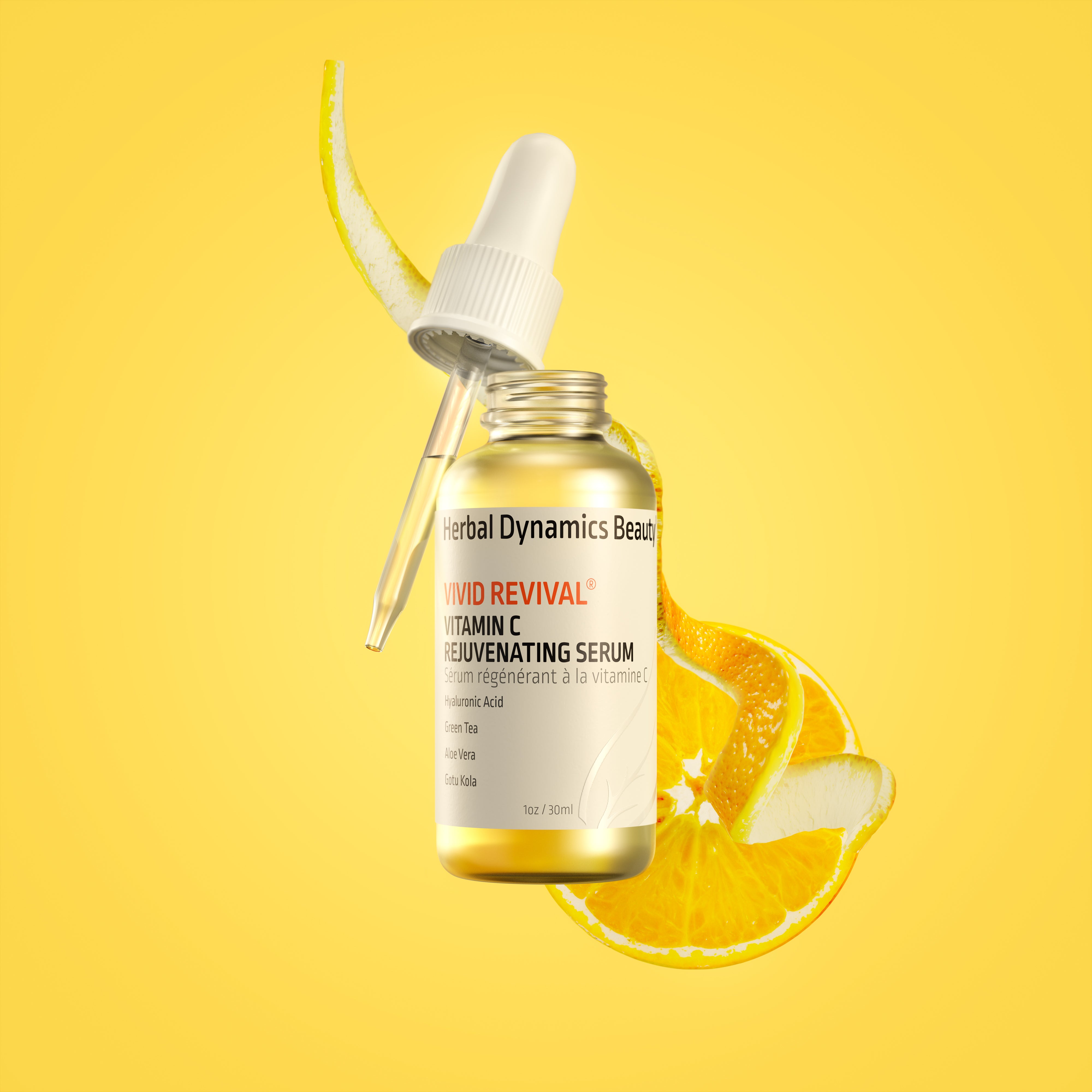
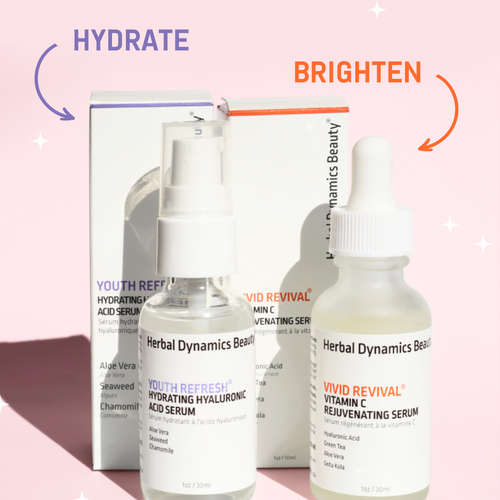
Vivid Revival® Vitamin C Rejuvenating Serum supplies ethyl ascorbic acid in a hydrating base. It can serve as the morning antioxidant step while a different targeted active is used at night—provided the overall routine remains comfortable.