Your Cart is Empty
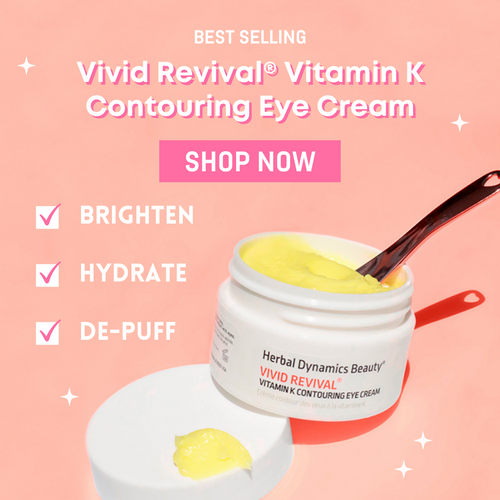

Short answer: A vitamin K eye cream may moisturize the under-eye area and could modestly improve some vascular-looking discoloration, but the evidence for vitamin K alone is preliminary. Use it as a cosmetic—not as a treatment for a clotting problem, broken vessels, eczema, or an eye condition—and introduce it carefully because vitamin K forms can cause contact allergy.
| Potential benefit | Realistic expectation | What it will not fix |
|---|---|---|
| More hydrated, smoother-looking skin | Humectants and emollients in the finished formula can soften dehydration lines | Deep wrinkles, tear troughs, or bone structure |
| Less visible under-eye darkness | Small combination-formula studies suggest possible improvement for some people | Every pigmentary, vascular, or structural cause |
| Less noticeable puffiness | A cooling application and ingredients such as caffeine may have a temporary cosmetic effect | Persistent, painful, or one-sided swelling |
| Support after a cosmetic procedure | Some small studies concern laser-induced bruising | Permission to apply a cosmetic to treated skin without the clinician’s approval |
Read the central Vitamin K for Skin guide for a full evidence grading and study analysis.
It may be reasonable for an adult who:
Use extra caution or seek professional advice if you have eyelid eczema, a history of cosmetic allergy, very reactive skin, a recent eye-area procedure, or unexplained bruising. Do not use an eye cosmetic to self-treat sudden swelling, pain, a rash, or vision symptoms.
There is no established rule that topical vitamin K works better at one time of day. Follow the finished product label. If the formula also contains a retinoid, the directions and your tolerance may favor evening use; sunscreen remains important during the day.
If you use it twice daily, first confirm that once-daily use is comfortable. Eyelid irritation can make discoloration look worse, so tolerability matters more than maximizing frequency.
Glycerin, hyaluronic acid, beta-glucan, and emollients can improve moisture and surface smoothness. Their presence does not make the vitamin K evidence stronger, but they may make the finished product more cosmetically useful.
Vitamin K and caffeine have appeared together in a very small eye-pad study. That study does not prove synergy, but a caffeine-containing formula may be aimed at temporary puffiness or vascular appearance.
A combination gel containing phytonadione and retinol has been studied, but retinoids can irritate the eye area. Do not layer a separate retinoid over an eye cream without considering the total formula and your tolerance. Ask a healthcare professional about retinoids during pregnancy, while planning pregnancy, or while breastfeeding.
These ingredients may support a more even-looking tone in suitable formulas. Introduce products separately and avoid bringing a strong facial serum too close to the eye if it is not designed for that area.
Vitamin K1 (phytonadione) has caused allergic contact dermatitis and is prohibited in European Union cosmetics because of sensitization concerns. After a 2025 call for data, the European Commission formally asked its Scientific Committee on Consumer Safety in June 2026 to evaluate phytonadione epoxide because of sensitization concerns; that assessment is ongoing as of this update.
Stop using the product and seek advice if you develop persistent eyelid itching, scaling, swelling, or a rash. Seek urgent care for eye pain, vision changes, severe swelling, trouble breathing, or swelling of the lips, tongue, or throat.
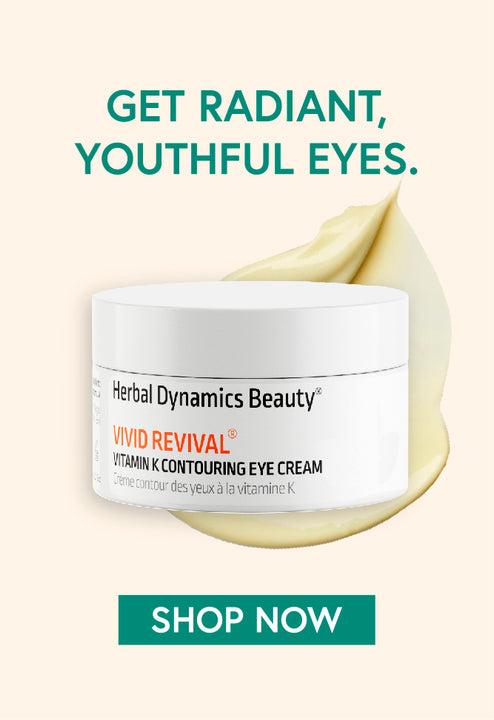
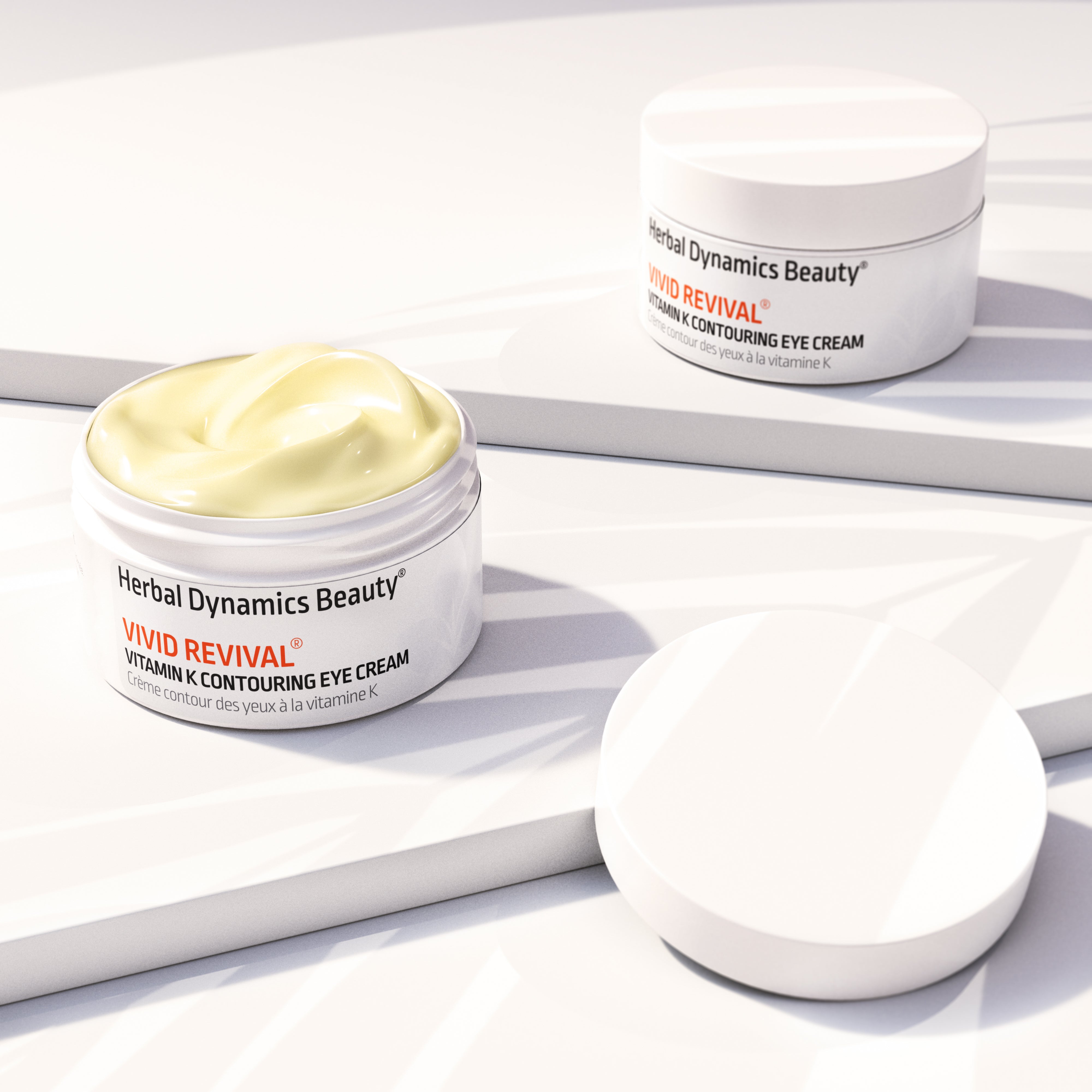
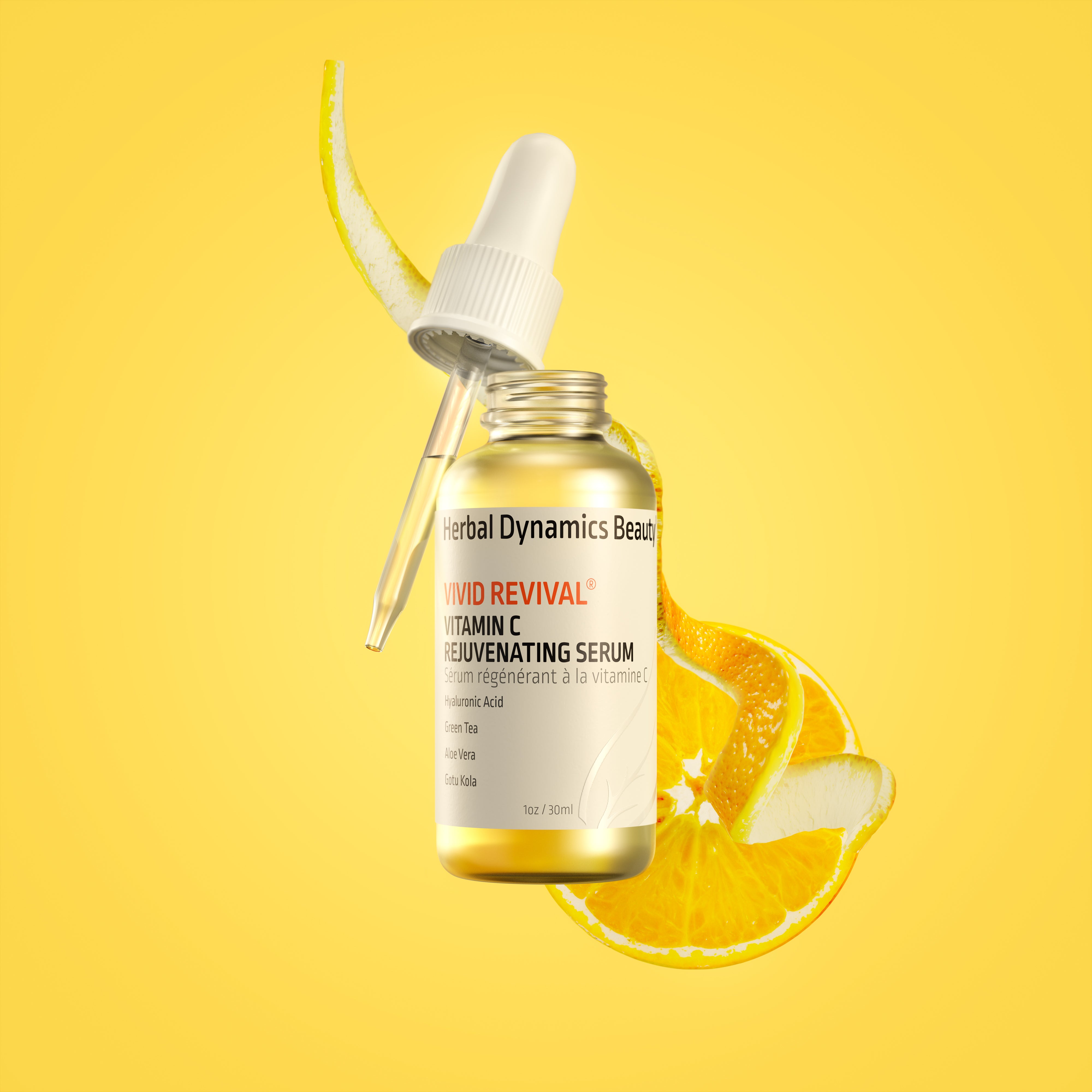
Disclosure: Herbal Dynamics Beauty makes and sells Vivid Revival® Vitamin K Contouring Eye Cream. The current formula lists phytomenadione, green tea, aloe, centella asiatica, glycerin, hyaluronic acid, oils, beta-glucan, retinyl palmitate, and other ingredients.
Evaluate it as a complete moisturizing cosmetic formula. Its inclusion here is not proof that vitamin K alone works, and it should not be used to treat a vitamin deficiency, bleeding disorder, eyelid eczema, or eye disease.
If you are not sure whether the darkness is pigmentary, vascular, structural, or related to puffiness, start with Herbal Dynamics Beauty’s guide to what causes dark circles under the eyes.
To compare vitamin K formulas with hydration-, retinol-, and puffiness-focused options, use Herbal Dynamics Beauty's best eye creams for dark circles guide.
Follow the product label. A thin layer is usually enough for the small eye area; excess product can migrate into the eye and increase irritation.
Hydration can change the surface appearance quickly. The small vitamin K combination studies assessed eye-area changes after four to eight weeks, but they do not establish a guaranteed timeline for other formulas.
Do not apply an eye cream to an injury, open skin, or a post-procedure area unless a healthcare professional approves it. Frequent, severe, or unexplained bruising needs medical evaluation.
Some people tolerate it, but contact allergy has been reported. Patch-test the finished formula and be especially cautious with eyelid eczema or prior cosmetic allergies.
Go deeper with the study review, realistic results and timelines, and the microcirculation evidence guide. Match those findings to your type using the dark-circle causes hub.
This article provides cosmetic education and is not medical advice. Seek professional care for sudden or painful eye-area changes, vision symptoms, or unexplained bruising.