Your Cart is Empty
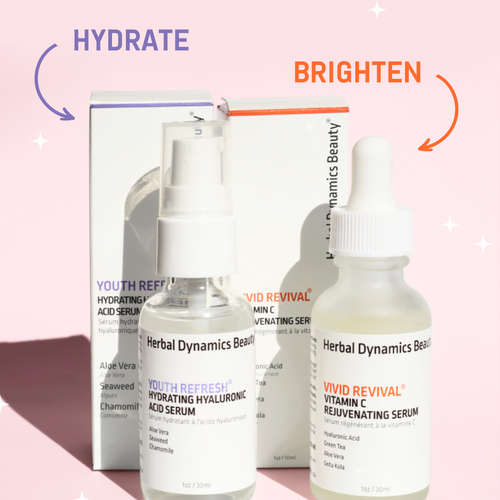
Squalane is a flexible emollient that can fit into routines containing vitamin C, niacinamide, hyaluronic acid, peptides or exfoliating acids. That is not a guarantee that every pair of finished products will layer well or suit your skin. Follow the more specific instructions for the active product.
The squalane guide explains its basic job. It can contribute softness; it does not make every active stronger, safer or less irritating.
| Ingredient alongside squalane | What to consider |
|---|---|
| Hyaluronic acid | A water-binding function alongside emollience; both may already be in your moisturizer. |
| Niacinamide | Check the full serum or cream and whether it adds a purpose beyond existing products. |
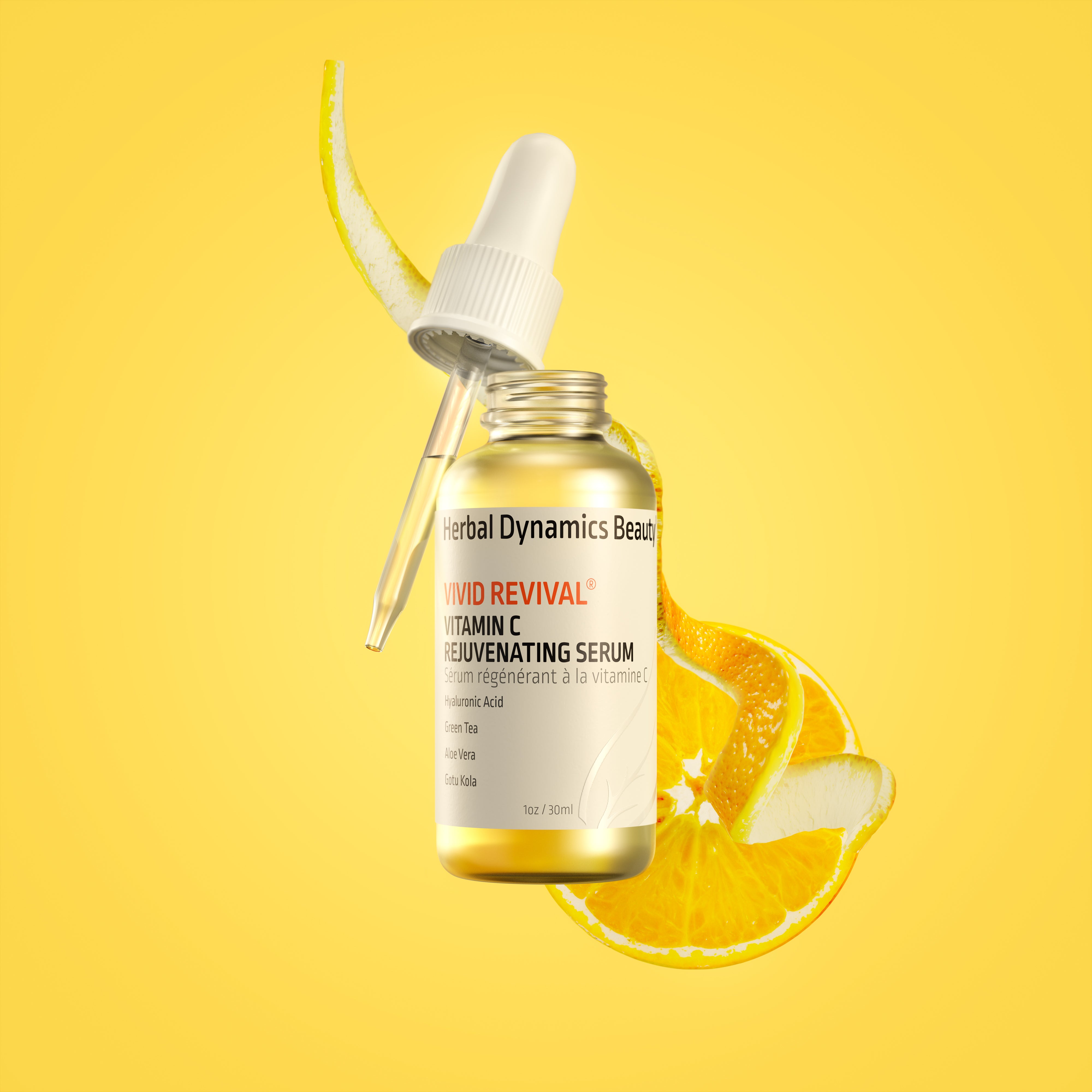
| Vitamin C | Different forms and vehicles have different instructions and tolerance. |
| Peptides | Peptide type and formula evidence matter; the word “peptide” is not one standardized treatment. |
| AHA or BHA | Squalane does not remove exfoliation-related irritation or the acid product’s precautions. |
| Retinol | Keep retinoid instructions and pregnancy precautions; see the dedicated pairing guide. |
A water-based serum may fit before moisturizer, with an optional plain squalane oil afterward. A cream containing several of these ingredients can make extra layers redundant. Read squalane versus hyaluronic acid for the functional distinction.
For niacinamide’s own evidence, see the niacinamide guide. If the goal is broader barrier support, ceramides, niacinamide, peptides and squalane compares their roles without treating them as substitutes.
“Vitamin C serum” can mean an acidic water-based formula or a product using a different vitamin C derivative. The name alone does not establish where every serum belongs. Follow the directions rather than inventing a mandatory waiting period because squalane is involved.
Peptide products likewise vary. An oil over a serum does not prove improved delivery or added collagen production. Use the peptide guide to understand the evidence for that product category.
AHA and BHA products are not interchangeable with plain squalane. If an exfoliating routine causes burning or persistent redness, more oil is not a reliable fix. Reduce unnecessary additions and reconsider the acid product’s directions and frequency.
The FDA warns that AHAs can increase sun sensitivity. Squalane does not provide sunscreen protection or cancel that warning. Read the exfoliating-acid compatibility guide for a wider active-ingredient review.
A retinol-in-squalane serum is still a retinoid product. Its precautions differ from those of a plain oil. Squalane with retinol explains vehicle choice, order and tolerance.
Keep familiar products in place and add one new formula at a time. Use a small-area tolerance test before broad use. If several products do the same job, remove an optional step from the experiment rather than adding another layer to correct it.
Do not mix actives or water into a product bottle, and do not mix oil into sunscreen. Use the application guide for separate layers and the selection guide to decide whether you need a new squalane product at all.