Your Cart is Empty

Quick answer: Eye creams most often disappoint because a product is being asked to correct the wrong cause. A moisturizer can improve dry texture but cannot fill a tear trough; caffeine may temporarily help puffiness but cannot remove brown pigment; and no cream can change inherited bone structure.
Identify the dominant concern, choose one eye-area formula with relevant ingredients, patch-test, and use it consistently for the label’s recommended period. Compare photographs in the same lighting. Stop if irritation develops rather than “pushing through.”
Not always. A fragrance-free facial moisturizer tolerated near the eyes may be enough for hydration. A separate product is useful when its texture, applicator, or carefully selected active better matches the area and concern.
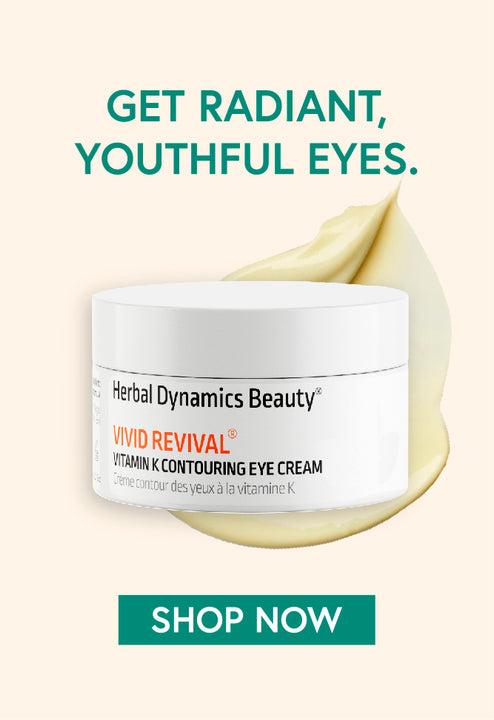
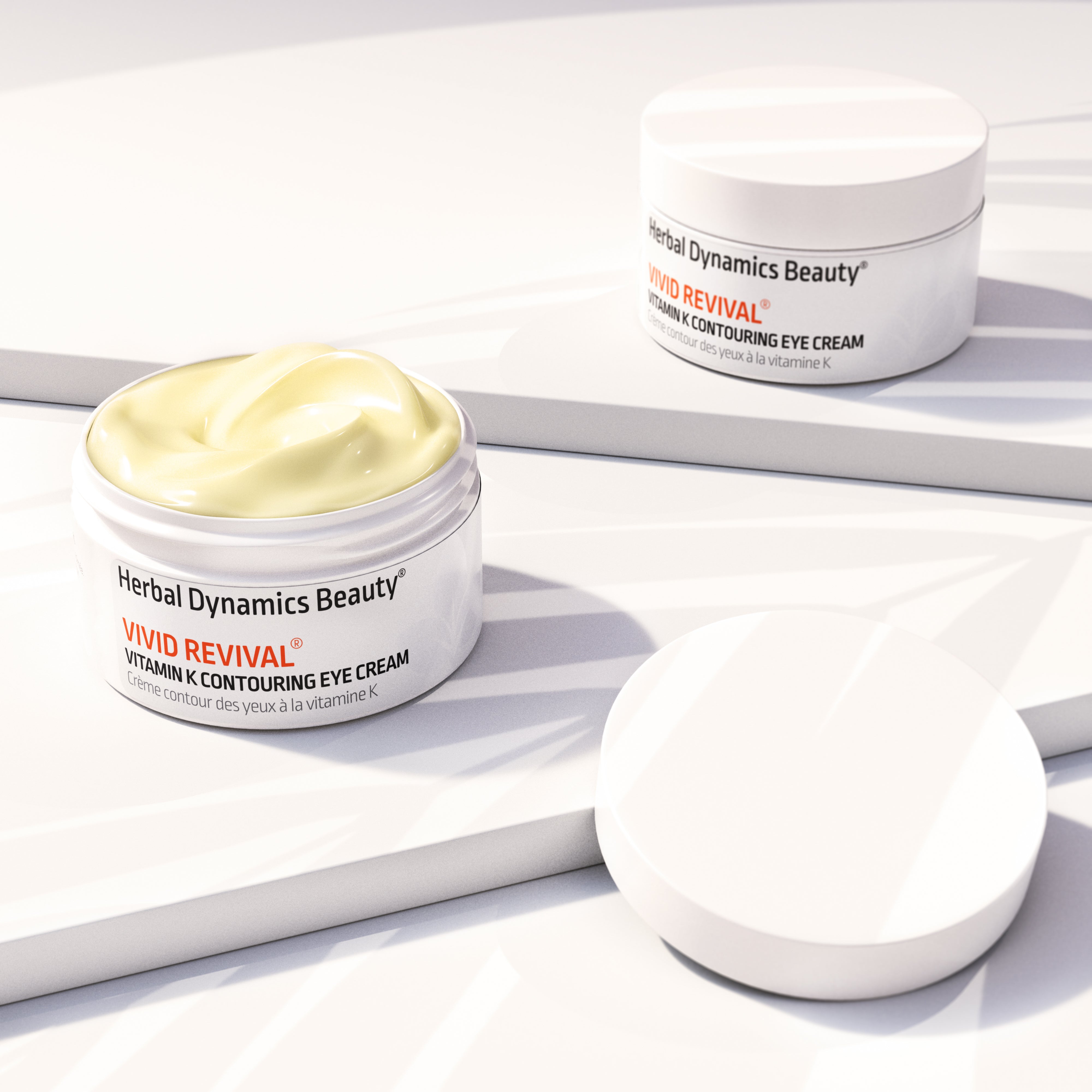
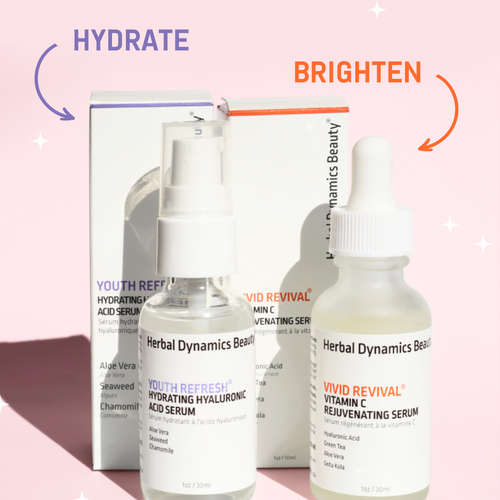
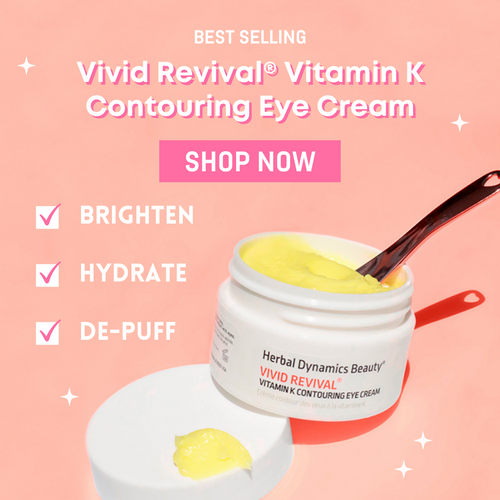
Start with Herbal Dynamics Beauty’s dark-circle cause guide, then compare the best eye creams by cause rather than buying by headline alone.
This article is educational and does not diagnose or treat a medical condition. Stop using a product that causes persistent burning, itching, swelling, or a rash, and seek professional care for severe, sudden, or persistent symptoms.
Eye creams disappoint when the product targets hydration but the dominant issue is pigment, allergy-related rubbing or structural shadow. They also disappoint when marketing promises a permanent result for an anatomical concern.
The cause-based eye cream comparison is designed around this decision process.
Use standardized photos and track one concern at a time. Hydration may change the surface quickly; pigment and texture changes are slower; structural shadow may remain. A product that causes persistent redness or rubbing is working against the goal.
Use the cause guide, compare ingredients by concern, then review the cause-based product comparison.