Your Cart is Empty


Sunscreen can help prevent dark circles that are worsened by ultraviolet exposure, pigmentation and photoaging. It cannot remove a tear trough, permanently hide visible vessels or treat allergy-related congestion. Think of photoprotection as prevention and support—not as a universal dark-circle cure.
Identify the dominant cause first with our guide to the types and causes of dark circles.
UV radiation stimulates pigment pathways and can make brown or gray under-eye discoloration more persistent. UVA and visible light are particularly relevant to pigment concerns across skin tones.
Repeated sun exposure contributes to collagen breakdown, uneven tone and textural change. Because the under-eye area is thin, age-related translucency and fine texture can make vessels and shadows more visible.
If rubbing, eczema or irritation has triggered pigment, unprotected sun exposure may make the discoloration harder to fade.
| Sunscreen may help | Sunscreen cannot |
|---|---|
| Reduce additional UV-triggered pigment | Fill a tear trough |
| Limit photoaging over time | Remove a permanent under-eye bag |
| Support a brightening routine | Treat nasal allergies |
| Prevent worsening from sun exposure | Guarantee existing circles will disappear |
Choose a broad-spectrum product with SPF 30 or higher that you can apply consistently. The best formula is one labeled for facial use that does not sting, migrate or cause you to rub your eyes. Mineral, organic-filter and hybrid formulas can all provide protection when properly formulated and applied.
For pigment-prone skin, tinted sunscreens with iron oxides may improve protection against visible light. Shade, a wide-brim hat and UV-protective sunglasses add useful coverage.
If a sunscreen consistently burns your eyes, stop using it around that area and choose a more tolerable formula rather than skipping protection entirely.
Sunscreen is not a bleaching agent. By limiting new UV-driven pigment, it can give a brightening routine a better chance to show gradual change. Existing structural, vascular and genetic darkness may remain. See how pigment-related dark circles differ from other types.
Use a gentle eye product for hydration or targeted cosmetic support, then protect the area in the morning. Avoid stacking multiple strong actives close to the lash line; irritation can worsen the very discoloration you are trying to improve.
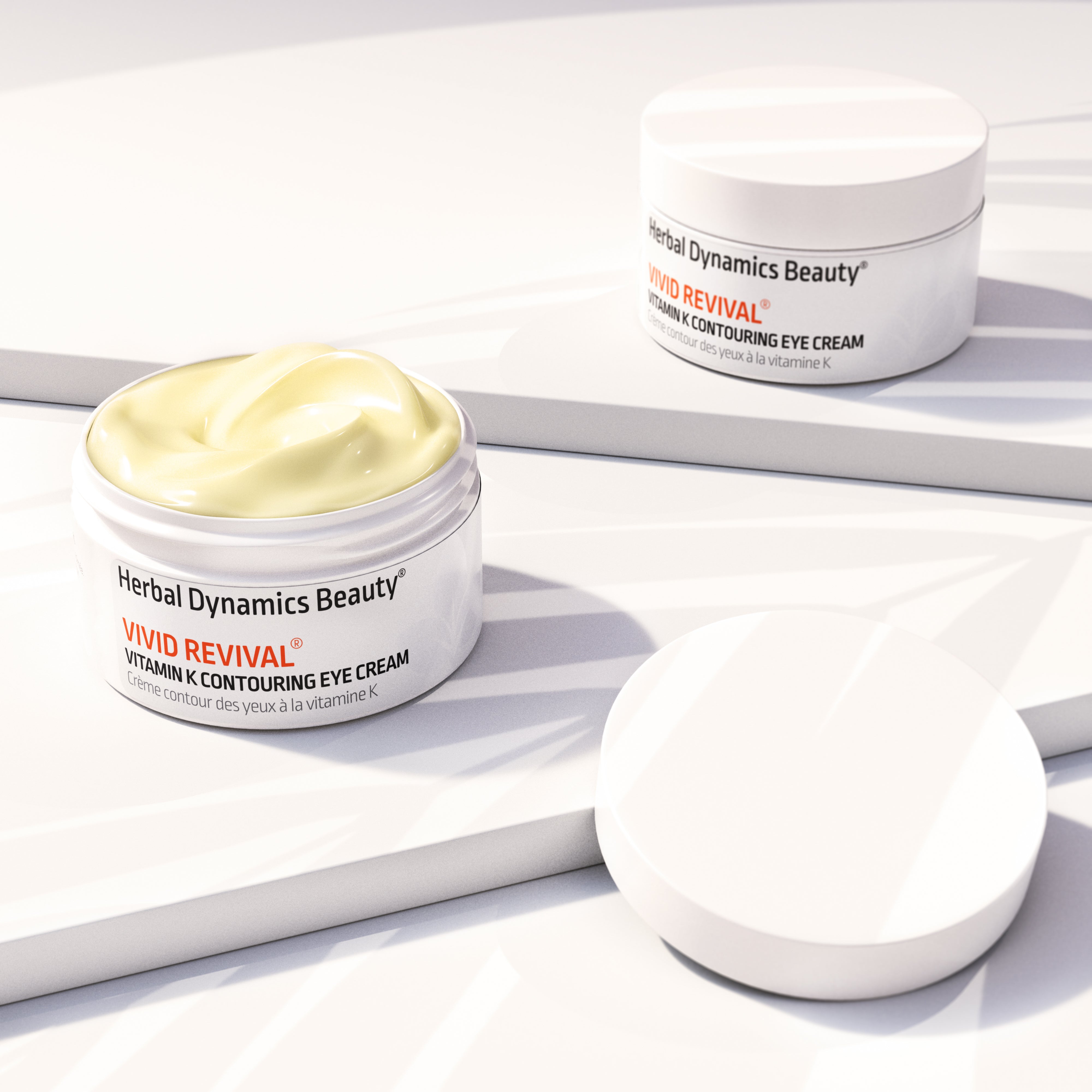
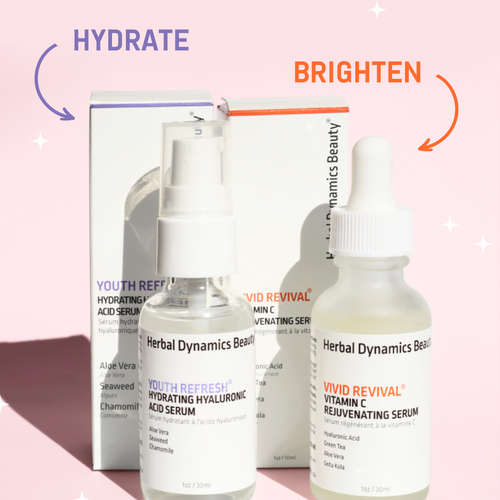
Herbal Dynamics Beauty Vivid Revival® Vitamin K Contouring Eye Cream can be used as part of a morning routine before sunscreen, following the label. It targets the appearance of discoloration, puffiness and dry-looking texture but does not replace sun protection.
For ingredient comparisons, see the best eye creams for dark circles by cause. For step order, use our simple morning and night under-eye routine.
Darker skin has more natural UVB protection than lighter skin, but it remains vulnerable to UVA, visible-light-induced pigmentation and photoaging. No skin tone is exempt from sun protection. Read our guide to dark circles across different skin tones.
Ask a dermatologist about persistent or changing pigmentation, dermatitis, product reactions or uncertainty about a new dark mark. Seek urgent care for eye pain, vision changes, injury or sudden swelling.
This article is educational and does not replace individualized medical advice.