Your Cart is Empty


Choose a face sunscreen labeled broad spectrum and SPF 30 or higher, then choose a texture you can apply generously and wear consistently. Check water resistance for swimming or sweating, and consider a tint with iron oxides if dark spots are a concern. Sunscreen works alongside shade, clothing, a hat and sunglasses.
A sunscreen can meet the right protection criteria and still be a poor fit for your routine if it stings, feels too heavy or looks chalky at the amount you need. This guide explains the label first, then helps you choose by skin type and use the formula properly. For specific products, start with our face sunscreen comparisons.
| Label term | What it means | What it does not promise |
|---|---|---|
| SPF | A tested measure of protection against sunburn, primarily reflecting UVB protection. | A safe number of hours in the sun. |
| Broad spectrum | The finished sunscreen meets the U.S. test for protection across UVA and UVB. | Complete protection, or identical UVA protection across every product. |
| Water resistant: 40 or 80 minutes | A tested interval during swimming or sweating. | Waterproof protection or permission to skip reapplication. |
| Mineral, chemical or hybrid | The types of active UV filters in the formula. | A ranking of the safety or comfort of every finished product. |
| Tinted | Added color; iron oxide pigments can be useful for visible-light protection. | A universal shade match or a guaranteed level of visible-light protection. |
The FDA explains these sunscreen claims. The American Academy of Dermatology recommends SPF 30 or higher for routine use; FDA labeling rules also discuss the qualified benefits allowed for broad-spectrum SPF 15 or higher. Those are different thresholds, not a reason to lower your everyday selection criteria.
| Your priority | Start with | Read the focused guide |
|---|---|---|
| Dryness or tightness | A comfortable lotion or cream; add moisturizer underneath if needed. | Sunscreen for dry skin |
| Oiliness or combination skin | A wearable finish across both oily and dry areas. | Sunscreen for oily and combination skin |
| Breakouts | A non-comedogenic formula and a gentle removal routine. | Sunscreen for acne-prone skin |
| Stinging or sensitivity | A fragrance-free option; mineral filters are a useful starting point if other formulas sting. | Sunscreen for sensitive skin |
| Dark spots or post-acne marks | Broad-spectrum protection plus a suitable iron-oxide tint. | Sunscreen for hyperpigmentation |
| Mature skin | Comfort, application ease and an even finish. | Sunscreen for mature skin |
| Makeup wear | A compatible base that stays even at the directed amount. | Sunscreen under makeup |
Mineral sunscreens use zinc oxide, titanium dioxide or both as their active filters. Chemical, also called organic, filters use other UV-absorbing molecules. A hybrid combines the categories. “Organic” describes chemistry here; it does not mean an organically farmed cosmetic.
Both categories absorb UV; mineral particles can also scatter and reflect some light. Choose by the tested label and your experience with the complete formula. Read mineral versus chemical sunscreen, including zinc oxide versus titanium dioxide before assuming that one category always works better.
Use the face sunscreen amount guide and reapplication guide for the details. A few dots of foundation with SPF or a light powder dusting should not be assumed to deliver the labeled protection.
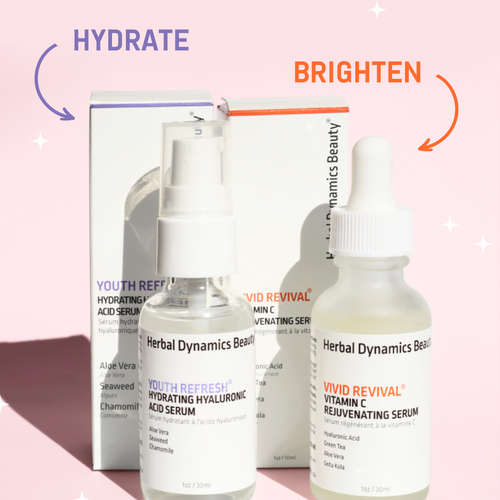
Vitamin C, niacinamide and hyaluronic acid can be separate companion steps when tolerated. They do not supply a measured SPF unless the finished product is itself labeled as sunscreen. Retinoid and exfoliating-acid routines also need daytime protection; nighttime application does not remove that need.
Follow the existing guides to vitamin C pairings, retinol application, AHA sun sensitivity and sunscreen order with moisturizer and makeup. Choose treatment steps for a specific concern rather than adding all of them.
Sunscreen helps limit additional exposure. It does not remove existing wrinkles, cure melasma or erase every consequence of earlier sun damage. A changing, bleeding or nonhealing spot needs medical assessment. For a persistent reaction to sunscreen, a dermatologist can help identify a tolerable product or a relevant allergy.
By Herbal Dynamics Beauty · Updated September 26, 2026