Your Cart is Empty


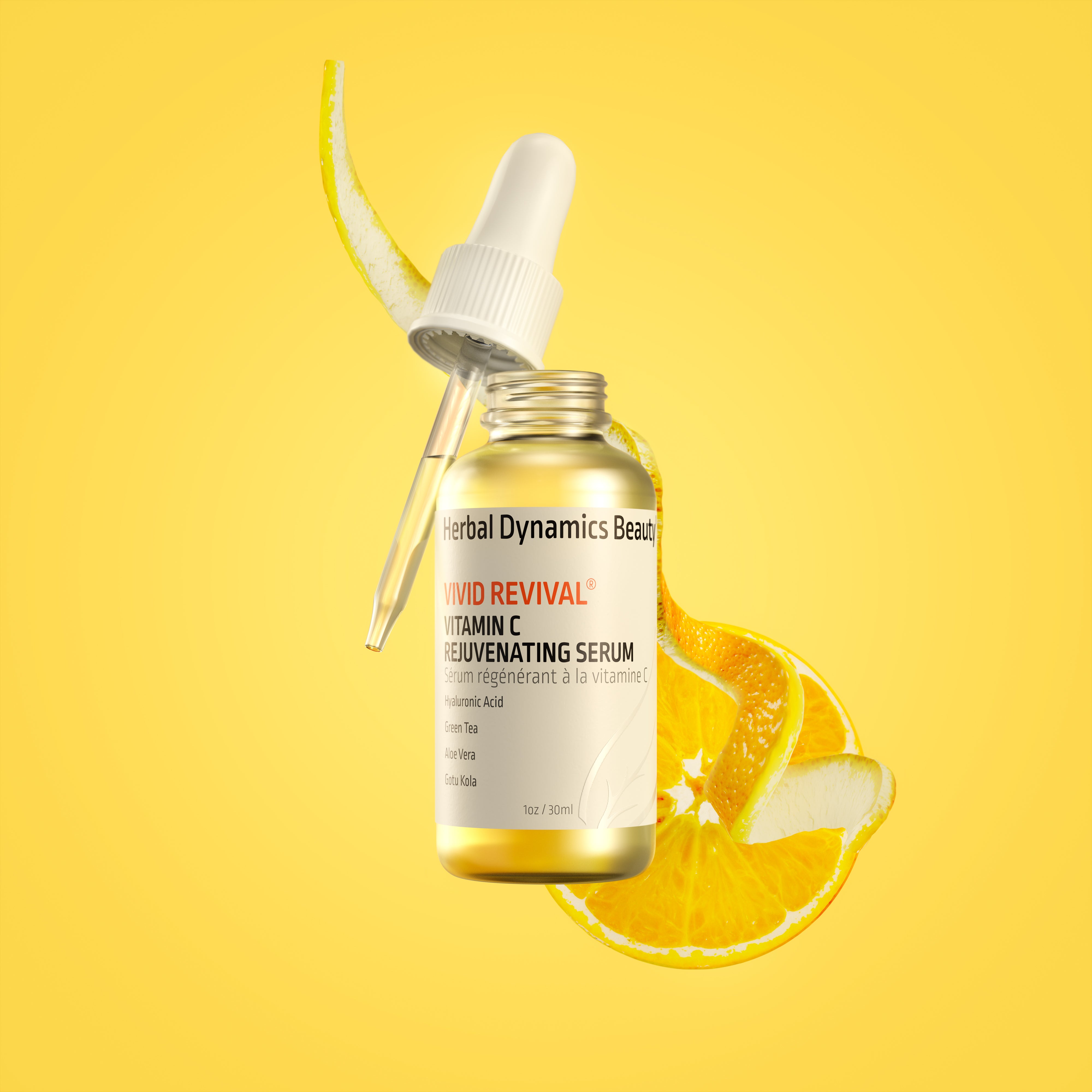
Quick answer: Vitamin C begins providing antioxidant activity while an effective formula is present on skin, but visible changes in radiance, uneven tone or fine-line appearance usually require consistent use over weeks to months. No responsible source can guarantee one deadline for every formula, concern and skin type.
| Goal | What to expect |
|---|---|
| Antioxidant support | A functional benefit during use; it is not something you can judge in the mirror that day. |
| Hydrated or smoother appearance | May improve relatively quickly when the formula contains humectants and moisturizer is used. |
| Brighter-looking tone | Often gradual and dependent on the cause of dullness. |
| Post-acne dark marks | May take months; deeper pigment can take longer, and new inflammation can reset progress. |
| Fine-line appearance | Requires patience and cannot be separated from hydration, sun protection and the rest of the routine. |
The vitamin C form, concentration, pH, packaging and vehicle all affect performance. So do baseline pigmentation, depth of pigment, sun exposure, adherence, sensitivity and the use of other active ingredients. Comparing your timeline with a before-and-after image from a different formula is not reliable.
The American Academy of Dermatology notes that some superficial dark spots may take six to twelve months to fade after the cause is stopped, while deeper discoloration can take much longer. That is general education, not a promise that vitamin C alone will produce a specific result.
Start with what causes hyperpigmentation and the vitamin C dark-spot routine.
If the product has significantly oxidized, replace it according to the brand’s guidance. If there is no improvement after a consistent, well-tolerated routine—or the mark is changing—consult a dermatologist rather than indefinitely adding stronger products.