Your Cart is Empty

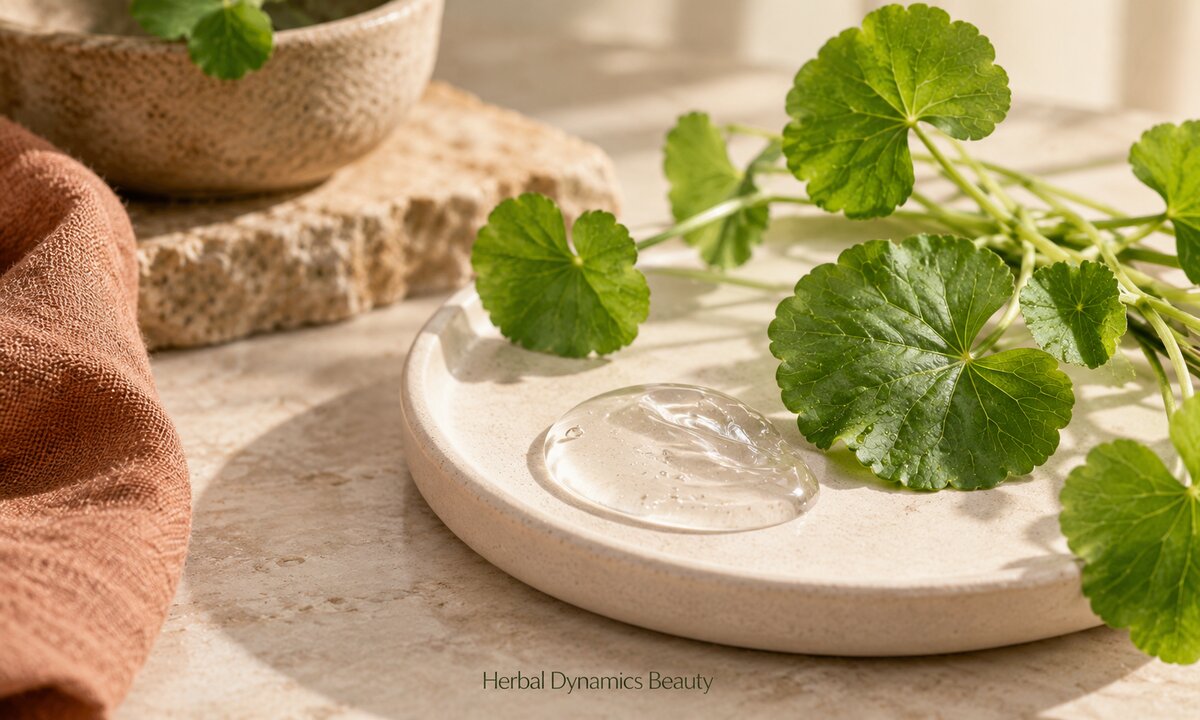
Centella and green tea are different botanical ingredients, and neither is universally better for skin. Centella discussions often focus on triterpenes such as madecassoside, while green-tea research often focuses on catechins such as EGCG. Choose a product by its purpose and complete formula rather than assuming all antioxidant or soothing extracts are interchangeable.
| Question | Centella | Green tea |
|---|---|---|
| Which plant? | Centella asiatica | Camellia sinensis |
| Recognizable constituents | Madecassoside, asiaticoside and related triterpenes | Catechins, including EGCG |
| Common label terms | Centella extract, gotu kola, cica | Green tea leaf extract, Camellia sinensis leaf extract |
| What varies? | Extract specification, delivery and the finished base | Extract specification, catechin content and the finished base |
Read the Centella compounds guide and the EGCG guide for the chemistry. A plant name alone does not disclose the amount of a particular constituent.
Green tea has been studied in a small human acne-lotion study. Centella-derived madecassoside has been examined in acne-related cell experiments. These are different study designs, materials and endpoints. They do not establish which retail serum would be better for a particular person.
Mechanisms such as antioxidant activity or altered inflammatory signaling are useful research questions. They do not automatically establish visible results, treatment of a skin condition or added sun protection from an untested finished product.
Prioritize tolerance of the formula. A green-tea product with a base you tolerate may fit better than a heavily fragranced cica product, or the reverse. Neither ingredient should be used to self-diagnose recurring redness.
Use the concern-specific guides for Centella and sensitive skin and green tea and redness-prone skin. They keep cosmetic comfort separate from disease treatment.
Assess the texture and the role of your existing acne plan. An optional botanical serum is not automatically a pore-clearing or oil-control product. The green-tea oiliness guide examines that narrower question, while Centella for acne-prone skin explains supportive use and its limits.
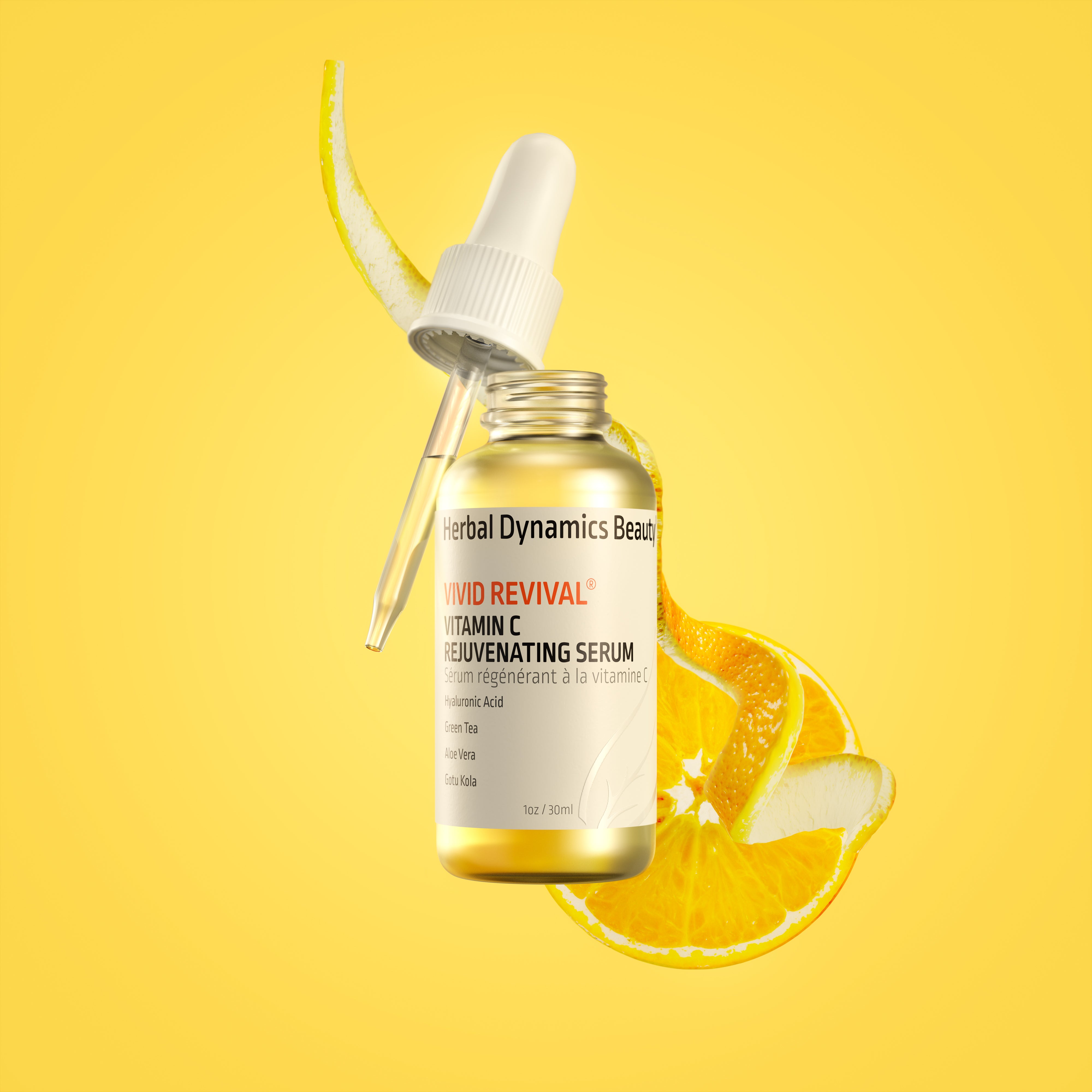
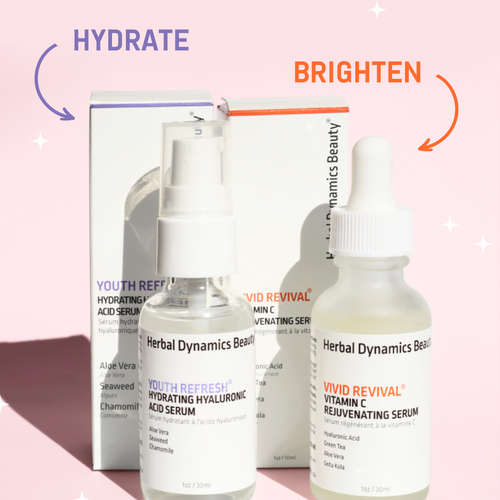
Yes. Vivid Revival® Vitamin C Rejuvenating Serum lists both green tea and Centella, alongside ethyl ascorbic acid, hyaluronic acid, glycerin and dexpanthenol. It is a multi-ingredient antioxidant and hydration formula, not a clinical test comparing the two plants.
If that type of serum fills a useful role in your routine, assess its complete ingredients and directions. You do not need another separate Centella product just because the serum contains several ingredients.
For the full ingredient background, see Centella asiatica for skin and green tea for skin. Use the Centella selection guide when you are ready to compare formats.
By Herbal Dynamics Beauty • Updated October 1, 2026
Commercial disclosure: Herbal Dynamics Beauty publishes this guide and sells the Herbal Dynamics Beauty products mentioned. Research citations are provided for education and do not imply that the researchers endorse our products. Ingredient studies are not clinical tests of these finished formulas.