Your Cart is Empty
Quick answer: 3-O-ethyl ascorbic acid—often listed as Ethyl Ascorbic Acid—is a modified vitamin C ingredient used in antioxidant and brightening formulas. Laboratory and formulation research is encouraging, but it has less independent clinical evidence than L-ascorbic acid.
It is an ascorbic-acid molecule modified with an ethyl group at the third carbon position. The modification is used to improve characteristics such as stability and formulation flexibility. Cosmetic suppliers and published research describe antioxidant and pigmentation-related activity, but the size and quality of human trials are not as extensive as for L-ascorbic acid.
These are cosmetic benefits. The ingredient does not diagnose or treat melasma or another pigment disorder.
A 2021 review describes favorable physicochemical properties and summarizes antioxidant, collagen-related and anti-pigmentation findings. However, many studies are laboratory, supplier-associated or use different finished formulas. That makes formulation-specific claims more appropriate than assuming every ethyl ascorbic acid serum will produce the same result.
Someone who finds acidic L-ascorbic acid uncomfortable, wants a water-based hydrating texture or has struggled with rapid oxidation may prefer a derivative. Patch testing still matters: derivatives can irritate, and the rest of the formula affects tolerance.
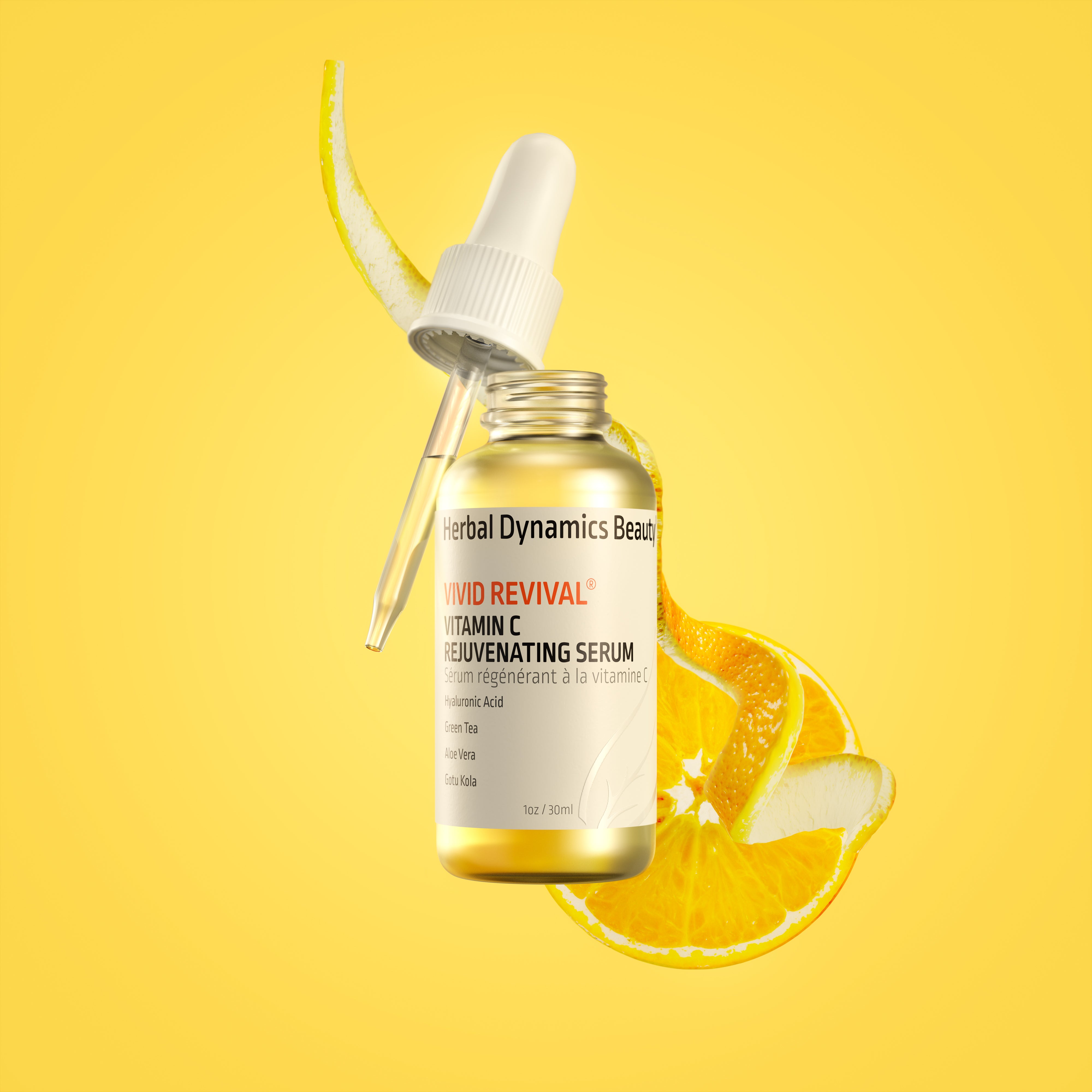
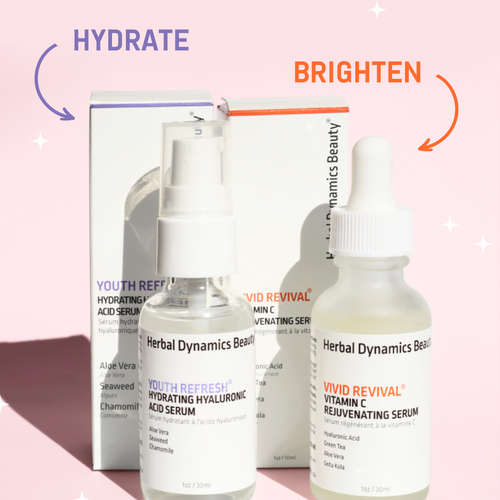
Vivid Revival® Vitamin C Rejuvenating Serum contains ethyl ascorbic acid alongside hyaluronic acid, aloe, glycerin, green tea, centella asiatica and other botanical extracts. It fits after cleansing and before moisturizer. Use broad-spectrum sunscreen in the morning. No verified vitamin C percentage is published for this formula, so we do not assign one.
L-ascorbic acid remains the benchmark for topical vitamin C research, while ethyl ascorbic acid may offer practical formulation and comfort advantages. Compare the evidence and tradeoffs in L-ascorbic acid vs. vitamin C derivatives.