Your Cart is Empty
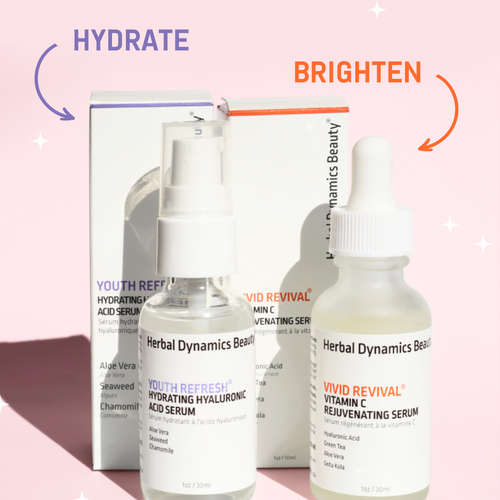
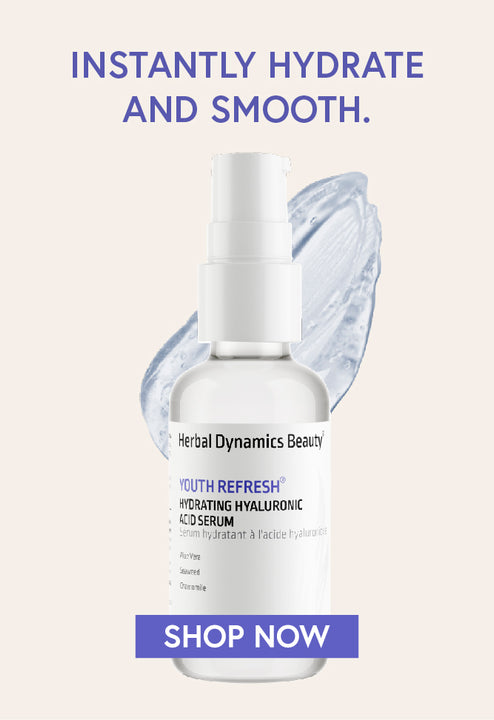
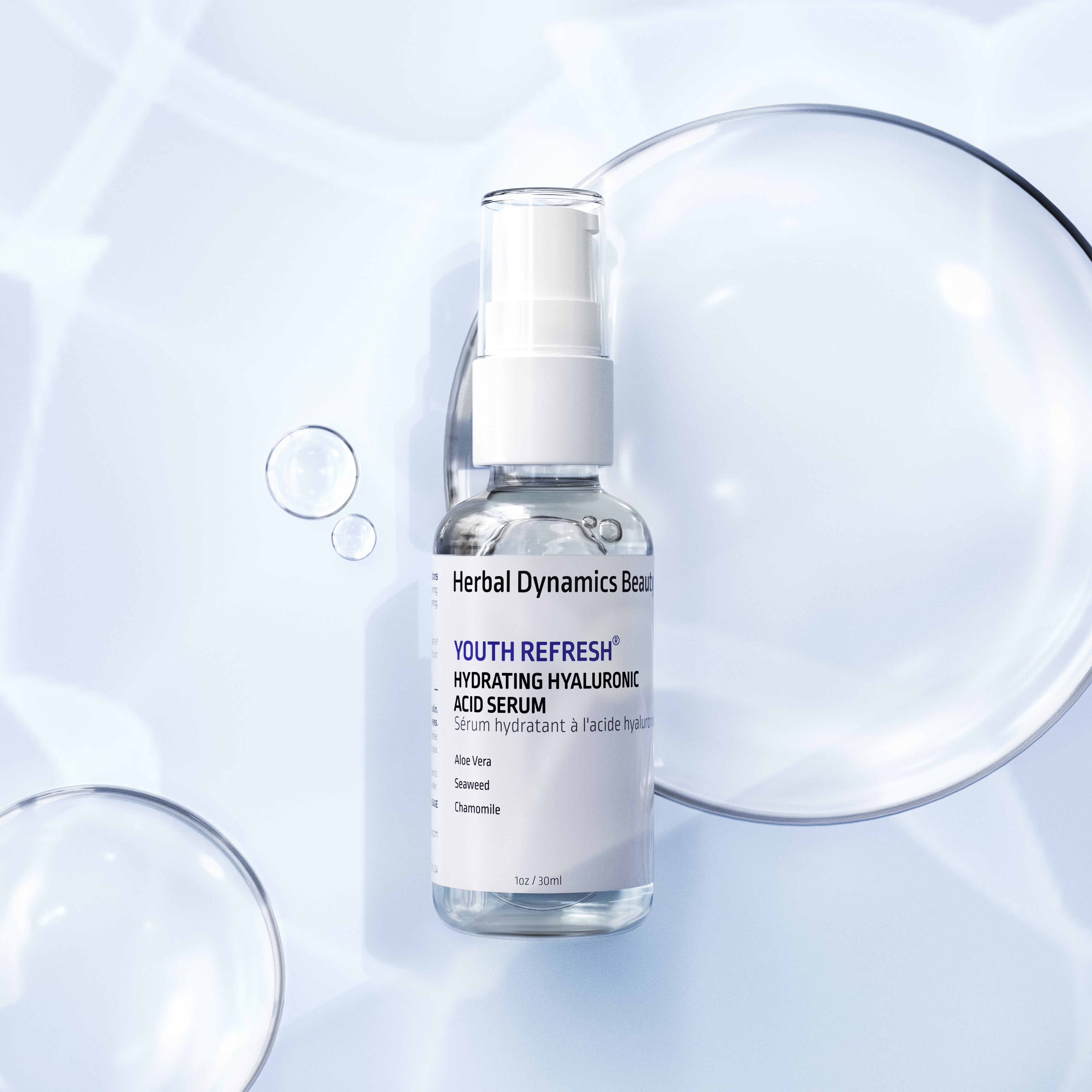
Hyaluronic acid does not inherently “suck moisture out” of skin. It is a humectant. However, a serum can leave skin feeling tight if too much forms a film, if moisturizer is skipped, if the climate and routine increase water loss, or if another ingredient causes irritation.
Humectants interact with water in a formula and in the skin’s outer layers. Online explanations often reduce that behavior to a humidity rule: high humidity means hydration; low humidity means the ingredient steals water. Real formulas and skin barriers are more complex. Vehicle, concentration, molecular size, other ingredients and what you layer over the serum all affect the result.
See the exact sequence in how to use a hyaluronic acid serum.
Climate can change how comfortable a routine feels, but there is no universal humidity cutoff at which hyaluronic acid becomes harmful. In cold, dry or air-conditioned conditions, emphasize a suitable moisturizer and avoid long hot showers. If skin is oily but dehydrated, a lighter moisturizer may be enough; very dry skin may prefer a cream.
Stop if the product consistently stings or causes a rash. If the only issue is mild tightness, first try a smaller amount plus moisturizer. Hyaluronic acid is optional—not an ingredient everyone must use. Glycerin or a well-formulated moisturizer may suit you better.
Compare the two humectants in hyaluronic acid vs. glycerin.
| Skin concern | Best adjustment |
|---|---|
| Dehydrated but oily | Thin serum plus lightweight moisturizer |
| Dry and flaky | Humectant serum plus richer moisturizer |
| Reactive or stinging | Simplify routine; patch test; seek care if persistent |
| Pilling | Use less, reduce layers and allow brief setting time |