Your Cart is Empty

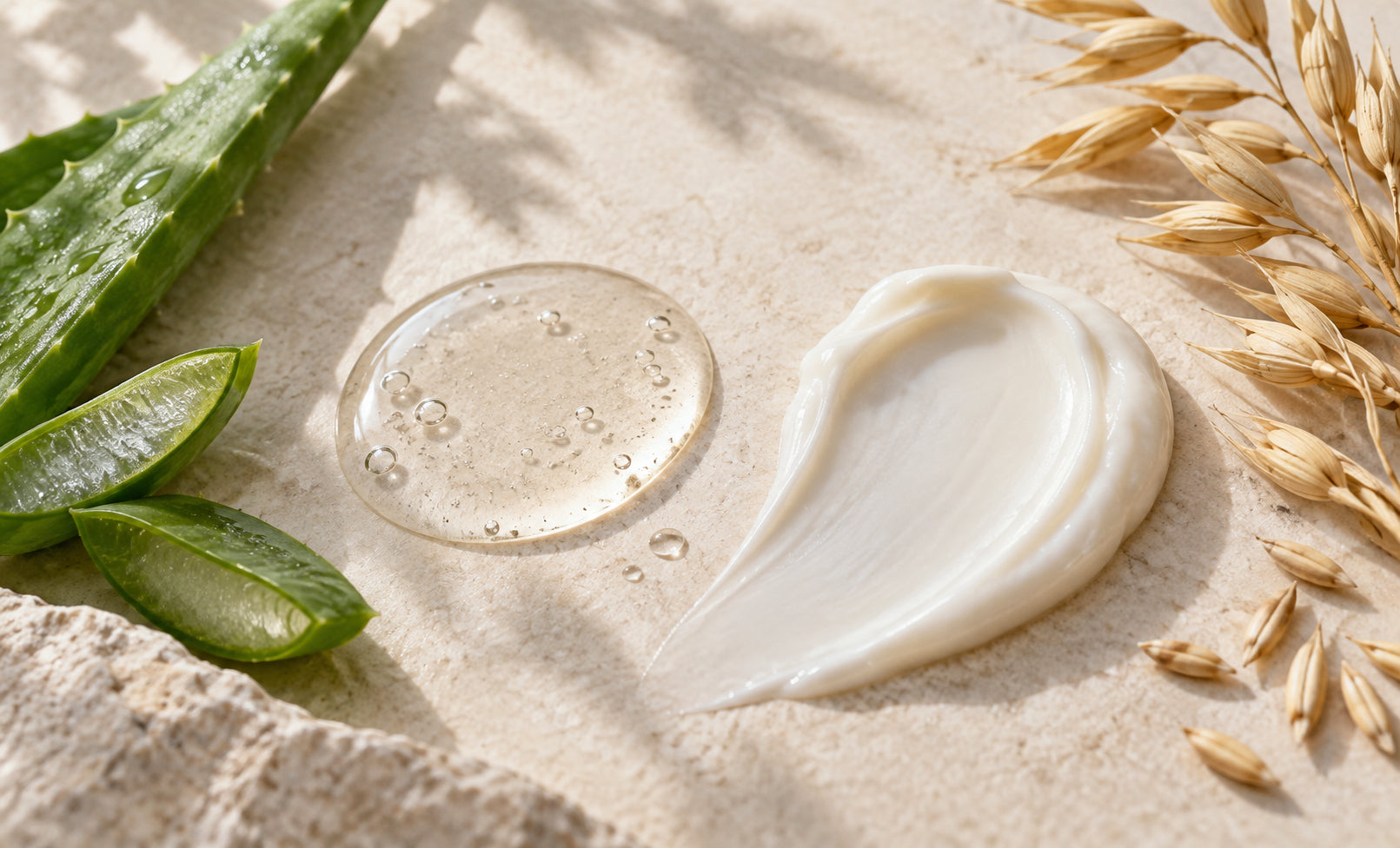
Hyaluronic acid can help dry skin feel more hydrated, but it usually cannot replace moisturizer. It binds water as a humectant; dry skin often also needs emollients to smooth roughness and occlusive ingredients to reduce water loss.
Dry skin is a skin type or condition associated with insufficient lipids and a less effective barrier. Dehydrated skin is short on water and can occur in any skin type. The distinction matters because adding a serum without enough barrier support may leave dry skin feeling tight again.
Use our dry vs. dehydrated skin guide to compare signs and routines.
It does not replenish ceramides or other lipids by itself. It also does not permanently fill wrinkles. For the ingredient’s mechanisms and evidence, visit our hyaluronic acid pillar guide.
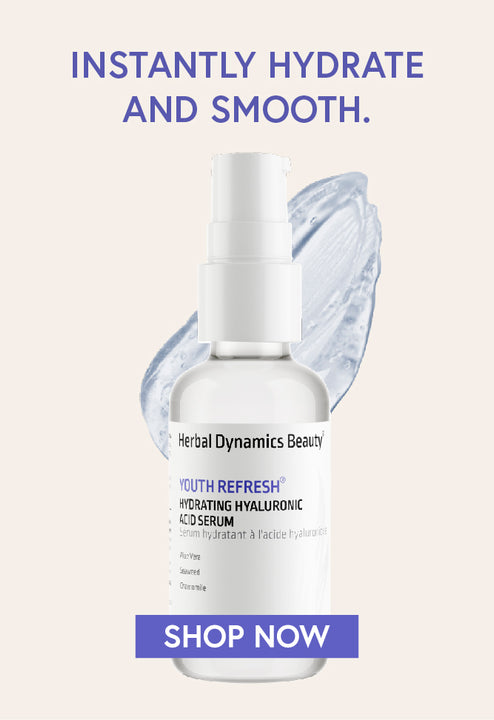
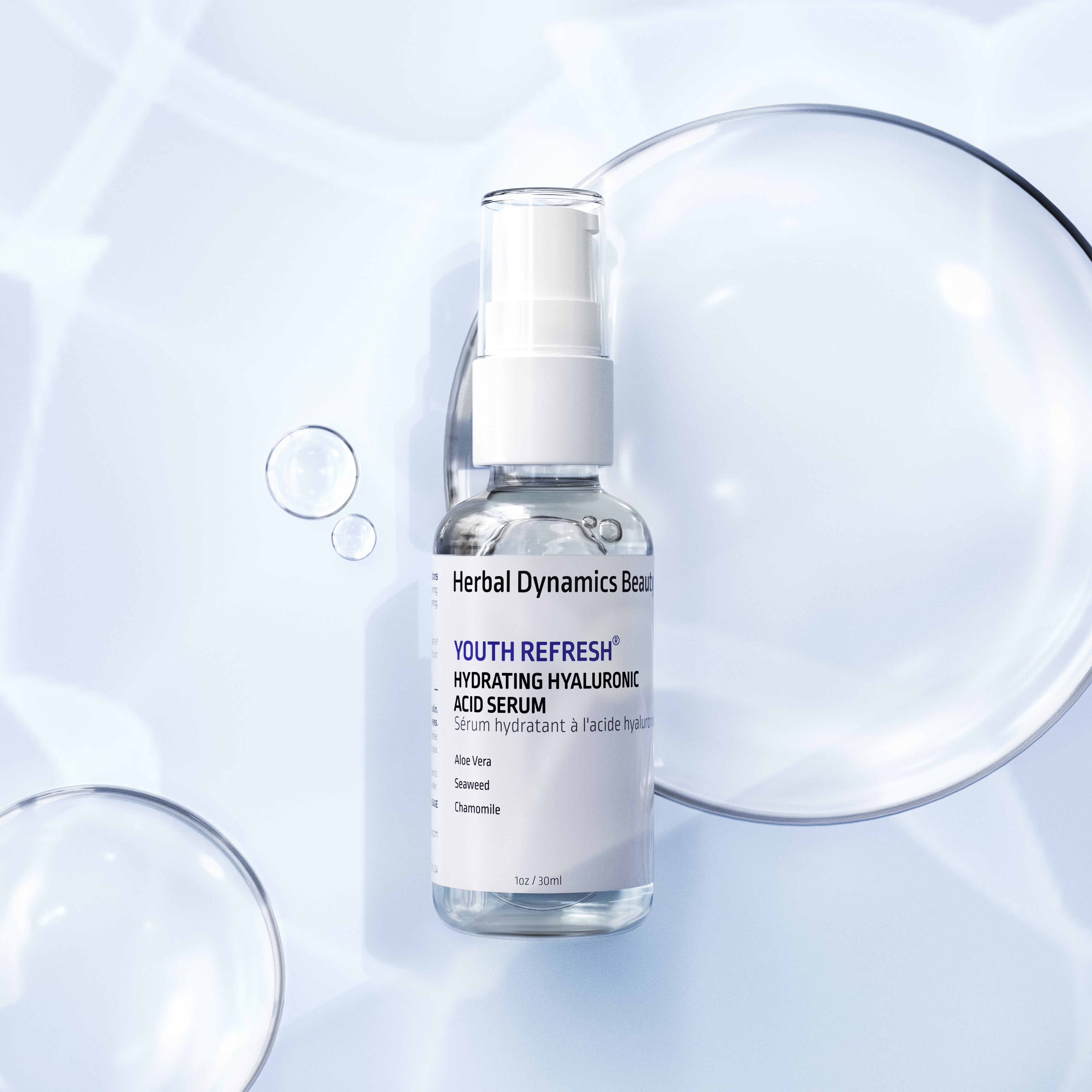
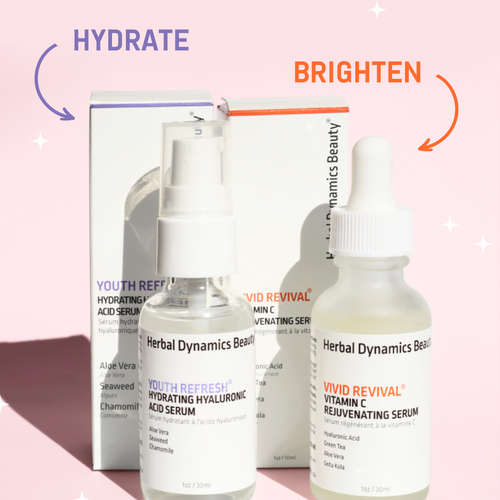
Youth Refresh® Hydrating Hyaluronic Acid Serum supplies hyaluronic acid, glycerin and sodium PCA in one water-based step. Pair it with your regular moisturizer rather than expecting it to do every job.
They address different parts of the problem. Hyaluronic acid supports water binding; ceramides are lipids that contribute to the barrier. Many dry-skin routines benefit from both. See our direct hyaluronic acid vs. ceramides comparison.
First, use less. Apply it to lightly damp skin and seal it with moisturizer before it dries into a noticeable film. If stinging, redness or itching occurs, stop using the product; the issue may be the finished formula, not hyaluronic acid as a category.
| Look for | Why |
|---|---|
| More than one compatible humectant | Ingredients such as glycerin or sodium PCA can complement hyaluronic acid. |
| A fragrance-conscious formula | Useful when dry skin is also reactive. |
| A comfortable, non-tacky texture | Makes daily use and layering easier. |
| Clear moisturizer guidance | A serum is one step, not a complete dry-skin routine. |