Your Cart is Empty


Blue or purple dark circles often have a vascular component: blood vessels and underlying tissue are more visible through the naturally thin skin beneath the eyes. Genetics, skin thickness, age-related changes, congestion and shadow can all affect how noticeable they look. Skincare may improve hydration and the appearance of some discoloration, but it cannot change every anatomical cause.
If you are not sure which type you have, start with our guide to the causes and types of dark circles.
| Clue | What it may suggest |
|---|---|
| Blue, violet or reddish tone | Underlying vessels showing through thin skin |
| More visible with pale, thin or mature under-eye skin | Less tissue masking the color beneath |
| Changes with congestion, fatigue or swelling | A vascular or mixed component may be present |
| Darkness follows a hollow or tear trough | Shadow and structure may be contributing |
These are visual clues, not a diagnosis. Many people have mixed dark circles with vascular, pigmentary and structural features at the same time.
The under-eye area has exceptionally thin skin and little padding compared with many other parts of the face. That makes color from vessels and deeper tissue easier to see. Light can also scatter through skin in a way that makes the area appear blue or purple even though the vessels themselves are not literally blue.
A major review of infraorbital dark circles describes the condition as multifactorial: skin color, visible vessels, anatomy, soft-tissue changes and shadow can overlap. That is why one ingredient rarely works for every person.
Nasal congestion and allergy-related rubbing can make the eye area look darker or more swollen. Treating the underlying allergy is a medical question; an eye cream is not a substitute for appropriate allergy care.
Dehydration does not create visible vessels, but dry, crepey skin can reflect light unevenly and exaggerate darkness. A gentle humectant-and-emollient formula can make the surface look smoother and more rested.
With age, skin and supporting tissues change. Greater translucency and deeper tear-trough shadow can make a vascular tone look stronger. Read why dark circles can become more noticeable with age.
Color alone is not definitive. Our cause-based eye cream comparison explains how ingredient choice changes by concern.
Topical vitamin K has been studied in a small number of cosmetic and post-procedure settings, sometimes in combination with other ingredients. The evidence is limited and does not prove that vitamin K erases ordinary genetic or structural circles. It may be a reasonable ingredient to consider when visible discoloration is part of the concern. See our evidence review: does vitamin K work for dark circles?
Caffeine is frequently used in eye products for a temporarily less puffy, more refreshed appearance. Evidence for permanently correcting vascular dark circles is not established. Compare vitamin K and caffeine eye creams.
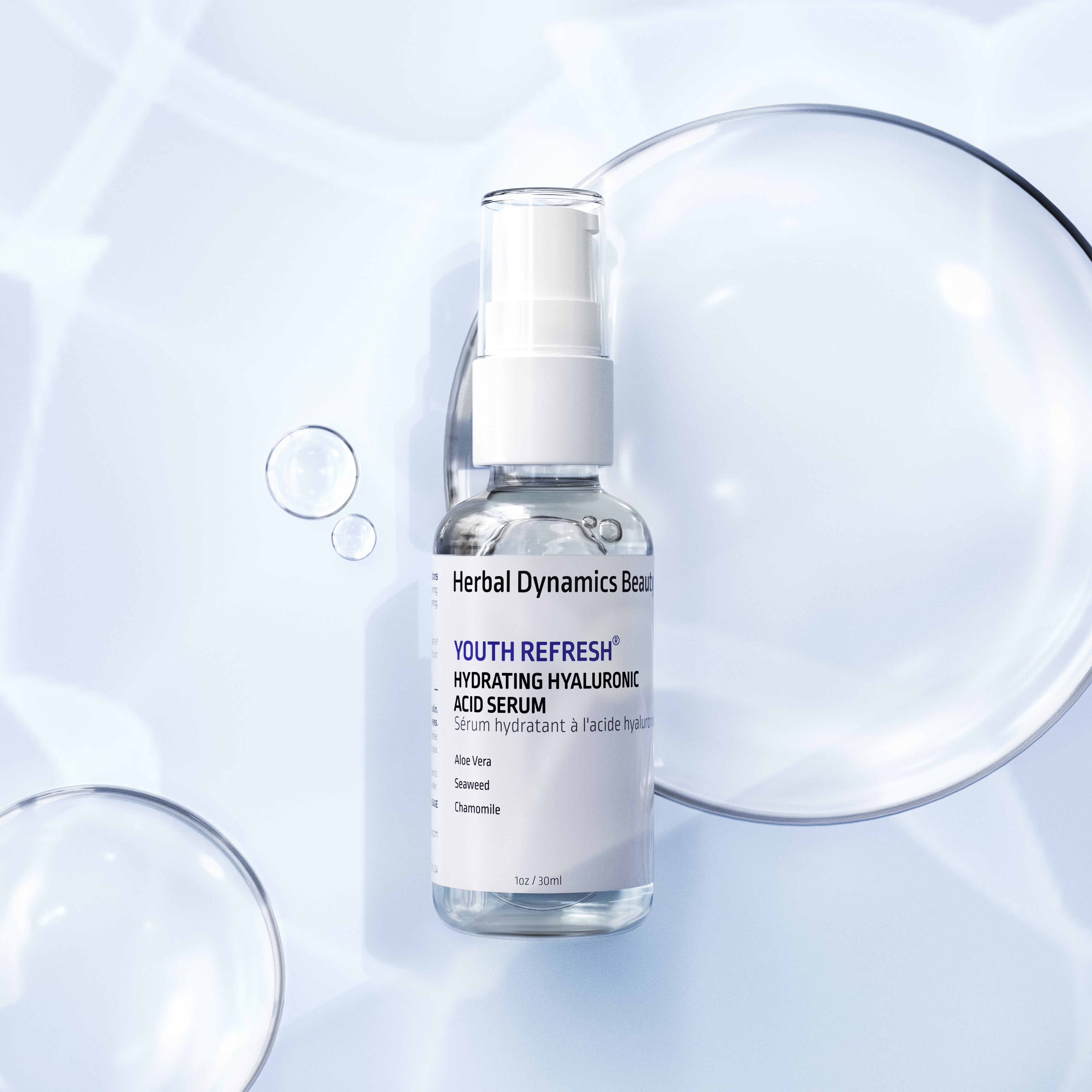
Hyaluronic acid, glycerin, squalane and similar ingredients can improve hydration and surface smoothness. They can make shadows look softer, but they do not remove pigment or alter a tear trough.
Green tea polyphenols have antioxidant and soothing properties in skin research. That supports their use as a complementary eye-area ingredient, not as proof of a circulation treatment.
For a complete sequence, use our morning and night under-eye routine.
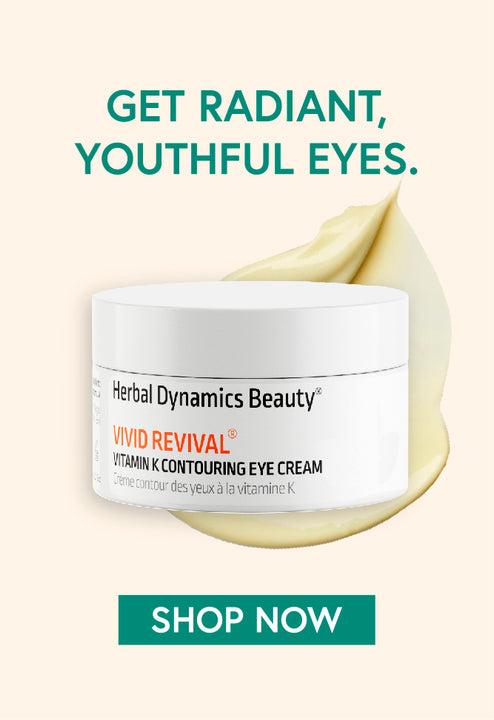
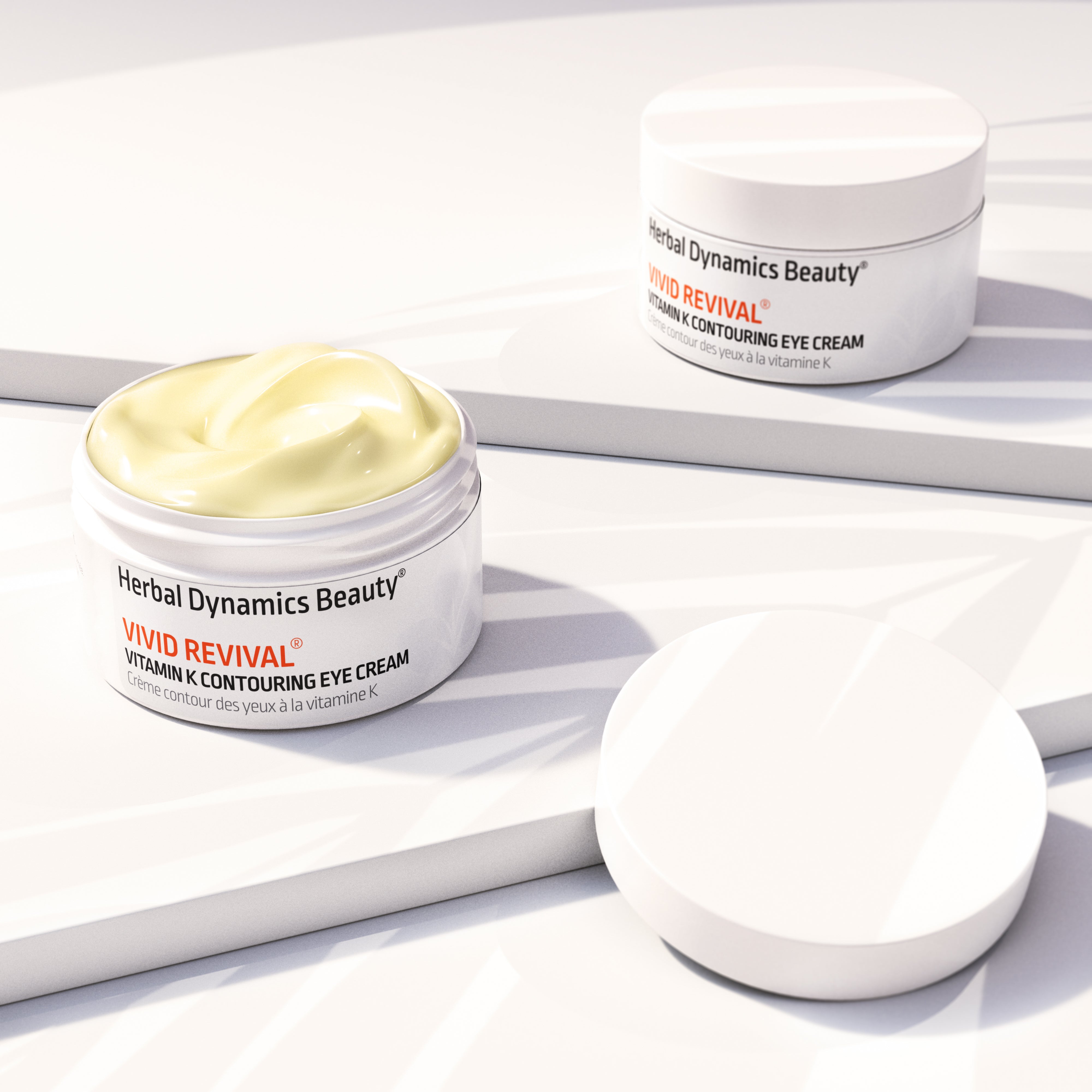
Herbal Dynamics Beauty Vivid Revival® Vitamin K Contouring Eye Cream combines vitamin K with green tea and hydrating ingredients for the appearance of discoloration, puffiness and dry-looking under-eye skin. It is best viewed as a cosmetic option for a mixed under-eye concern—not a treatment for vascular disease, allergies or structural hollows.
Prefer a broader recommendation? Find your Herbal Dynamics Beauty routine.
Dark circles are usually cosmetic, but prompt medical evaluation is appropriate for sudden one-sided discoloration, pain, vision changes, significant swelling, injury, or symptoms that concern you.
This article is educational and does not diagnose a medical condition.