Your Cart is Empty
A Centella extract percentage describes an amount of a particular material in a formula. It does not automatically tell you the amount of madecassoside, asiaticoside or total plant solids. You need to know what the manufacturer is measuring before comparing two percentages.
This matters because extracts are preparations, not identical ingredients poured from a single standard bottle. A larger number can describe more of one extract preparation without establishing a higher dose of a particular constituent.
| Question | Why it changes the comparison |
|---|---|
| What plant material was used? | Different plant parts and preparations may not have identical composition |
| What does the extract contain? | Its carrier and plant-derived solids are not necessarily disclosed by the front label |
| Is the extract standardized? | A named specification can identify selected constituents; an unspecified extract cannot |
| What was tested? | An ingredient supplier’s result may not apply to the finished cosmetic |
Analytical research on Centella measures distinct triterpenes rather than treating all extract as one active molecule. The compound guide explains asiaticoside, madecassoside and their related acids.
A label stating a percentage of Centella extract and one stating a percentage of madecassoside are measuring different materials. Neither number can be converted into the other without composition data. Avoid calculations based solely on a front-label claim.
A list that names madecassoside tells you the constituent is included; it does not necessarily disclose its concentration. Likewise, the absence of a separate madecassoside entry does not establish that a whole-plant extract contains none.
No universal optimum has been established for every extract, concern and product base. A human formulation study compared specified preparations, not all products in the market. Its tested percentages cannot serve as a universal shopping threshold.
A complete formula must also be stable, appropriately preserved and comfortable to use. More of a featured ingredient is not a substitute for those qualities.
These formats describe how a product is used and how it feels; they do not prove standardized strength. A cream can combine water-binding ingredients, emollients and lipids. A light ampoule may mainly add a watery layer. Choose the role your routine needs.
Use the Centella product-selection guide for a purchase decision and the routine-order guide for application. Those pages answer different questions from the chemistry of an extract percentage.
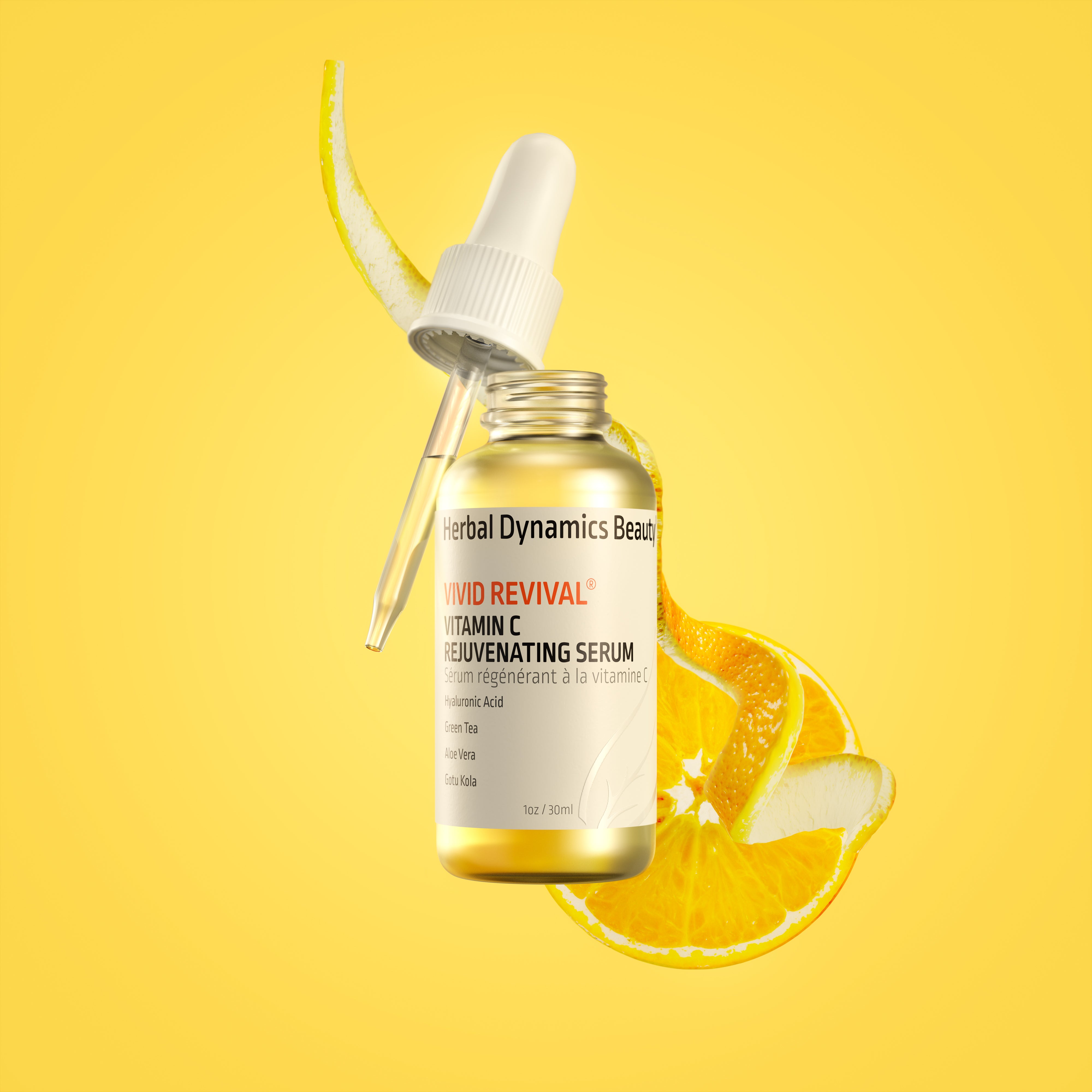
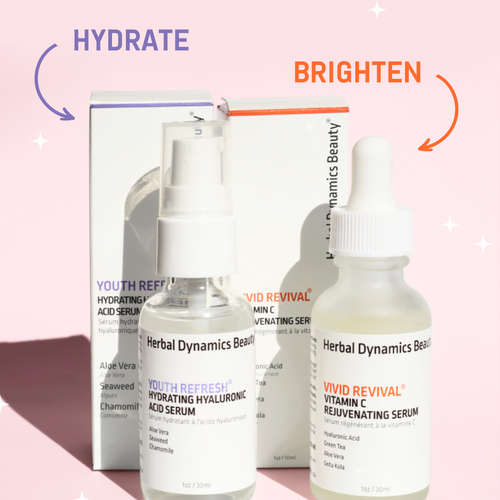
Vivid Revival® Vitamin C Rejuvenating Serum lists Centella extract, ethyl ascorbic acid, green tea, hyaluronic acid, glycerin and dexpanthenol. The current ingredient list supports those identities. It does not disclose a Centella percentage or establish the individual contribution of Centella to a clinical outcome.
Do not infer a percentage from a product URL, an ingredient’s position or a different product’s research. For a specific ingredient focus, read madecassoside versus Centella. Return to the Centella pillar for the complete evidence overview.
By Herbal Dynamics Beauty • Updated October 1, 2026
Commercial disclosure: Herbal Dynamics Beauty publishes this guide and sells the Herbal Dynamics Beauty products mentioned. Research citations are provided for education and do not imply that the researchers endorse our products. Ingredient studies are not clinical tests of these finished formulas.