Your Cart is Empty

Hyaluronic acid is useful for dehydrated skin because it acts as a humectant, helping the outer skin layer bind water. It can reduce a tight, papery look and temporarily soften dehydration lines. For lasting comfort, apply it within a routine that also reduces water loss.
Dehydration describes low water content; it is not the same as the dry skin type. Start with our dry skin vs. dehydrated skin comparison if you are unsure which applies.
These signs are not a diagnosis. Persistent burning, cracking, rash or itch deserves professional evaluation because dermatitis and other conditions can look like simple dehydration.
Hyaluronic acid is a glycosaminoglycan found naturally in the body. In a topical serum, large molecules primarily form a water-binding film near the surface. Finished formulas may improve measured hydration and the temporary appearance of fine lines, but outcomes depend on the full formula and study design.
It does not replace water throughout the body, permanently rebuild collagen or work like injected filler. See the evidence and limitations in our hyaluronic acid ingredient guide.
| Step | What to do | Why |
|---|---|---|
| 1. Cleanse | Use lukewarm water and a gentle cleanser; avoid scrubbing. | Harsh cleansing can worsen tightness and barrier disruption. |
| 2. Hydrate | Apply a thin layer of hyaluronic acid serum to slightly damp skin. | Provides a water-binding humectant layer. |
| 3. Moisturize | Add a moisturizer with emollient and/or occlusive ingredients. | Helps slow transepidermal water loss. |
| 4. Protect | Use broad-spectrum sunscreen every morning. | Supports a routine designed around long-term skin health. |
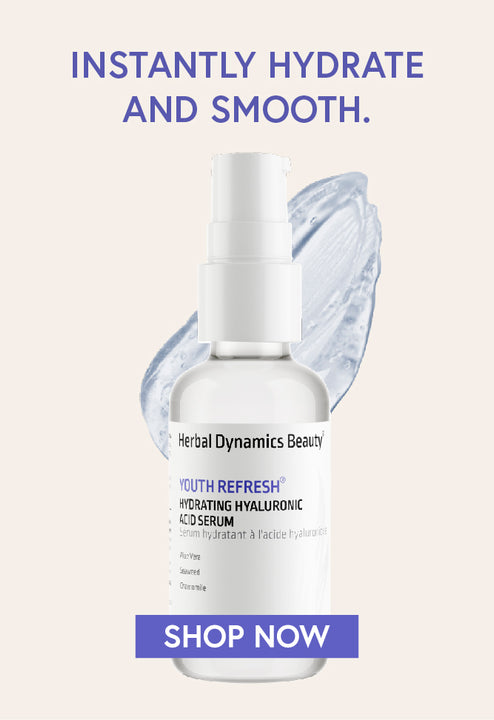
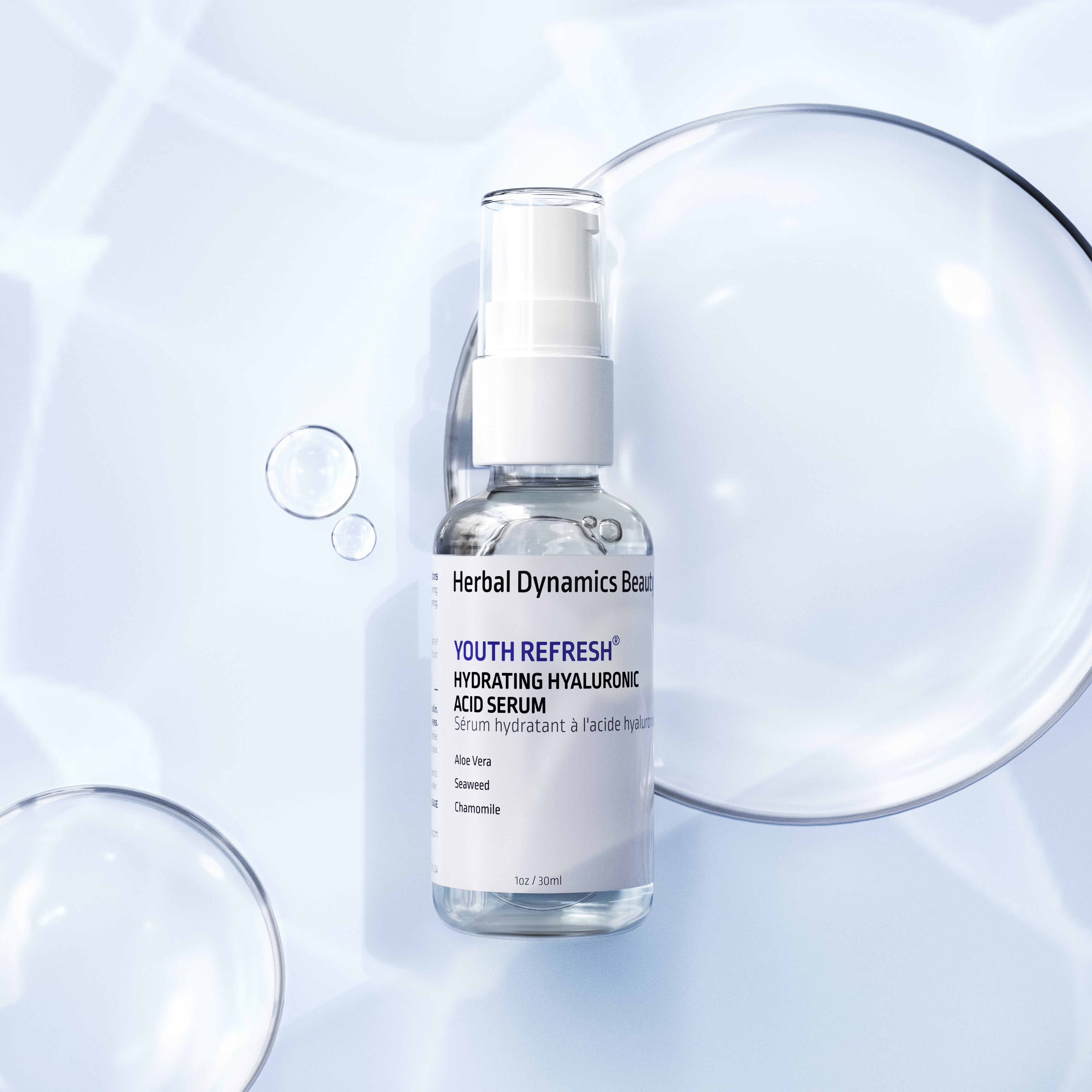
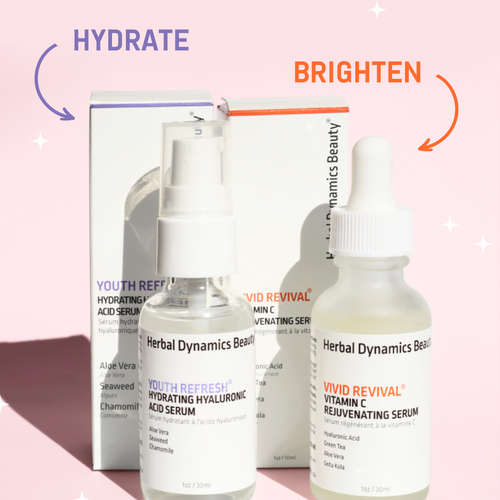
If you want a lightweight second step, Youth Refresh® Hydrating Hyaluronic Acid Serum combines hyaluronic acid with glycerin and sodium PCA. Follow it with the moisturizer that suits your skin type.
Slightly damp skin can make a water-based serum easier to spread. Skin does not need to be dripping, and the most important follow-up is moisturizer if you are prone to tightness. Read the full answer in apply hyaluronic acid to wet or dry skin?.
Hyaluronic acid does not inherently “pull all the water out” of skin. Tightness is more often related to a serum drying into a film, using too much, skipping moisturizer, an irritating formula or an already impaired barrier. Learn how to troubleshoot in can hyaluronic acid dry out skin?.