Your Cart is Empty
Peptides, topical collagen, hyaluronic acid and vitamin C do different jobs. Hyaluronic acid is primarily a water-binding ingredient; topical collagen commonly contributes surface conditioning; vitamin C supports antioxidant and collagen-related biology; selected peptides are used for formula-specific visible-aging benefits. None is a replacement for sunscreen.
Choosing one is easier when you define the problem first. “I want firmer skin” might mean dryness, etched lines or a change in facial contour—three different expectations for a bottle.
| Ingredient | Useful reason to consider it | Main evidence limit | Go deeper |
|---|---|---|---|
| Peptides | Optional visible-aging or conditioning step | Results depend on sequence, delivery and complete formula | Peptide ingredient guide |
| Topical collagen | A moisturizing or film-forming ingredient in a comfortable formula | Applying collagen does not install replacement dermal fibers | Topical collagen and penetration |
| Hyaluronic acid | Hydration and temporary plumper-looking surface texture | Does not replace facial fat or permanently fill wrinkles | Dehydration lines |
| Vitamin C | Antioxidant support and uneven-looking tone; selected photoaging evidence | Forms and formulas have different stability and clinical support | Vitamin C guide |
Collagen is a large structural protein; peptides are shorter amino-acid chains. Some cosmetic peptides are designed around signaling concepts, while collagen in a cream can help how the surface feels. Hydrolyzed collagen contains smaller fragments, but smaller does not automatically mean those fragments rebuild dermal collagen.
The collagen cosmetic literature covers several delivery routes. Oral supplements, injectable fillers and topical creams should not share one combined “proof” claim. Choose a topical product for what its actual formula has demonstrated.
If the problem is tightness and lines that look worse when skin is dry, hydration is a practical first step. Peptide serums often already contain hyaluronic acid or glycerin, so an additional HA serum may be unnecessary. The whole moisturizer system matters more than collecting separate bottles for every ingredient.
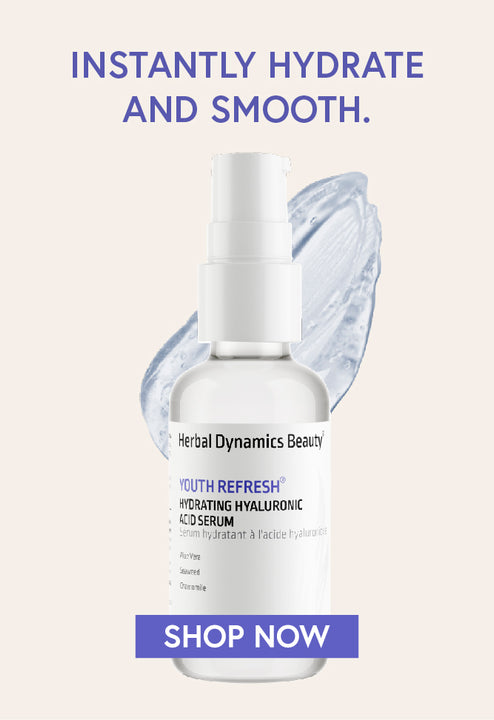
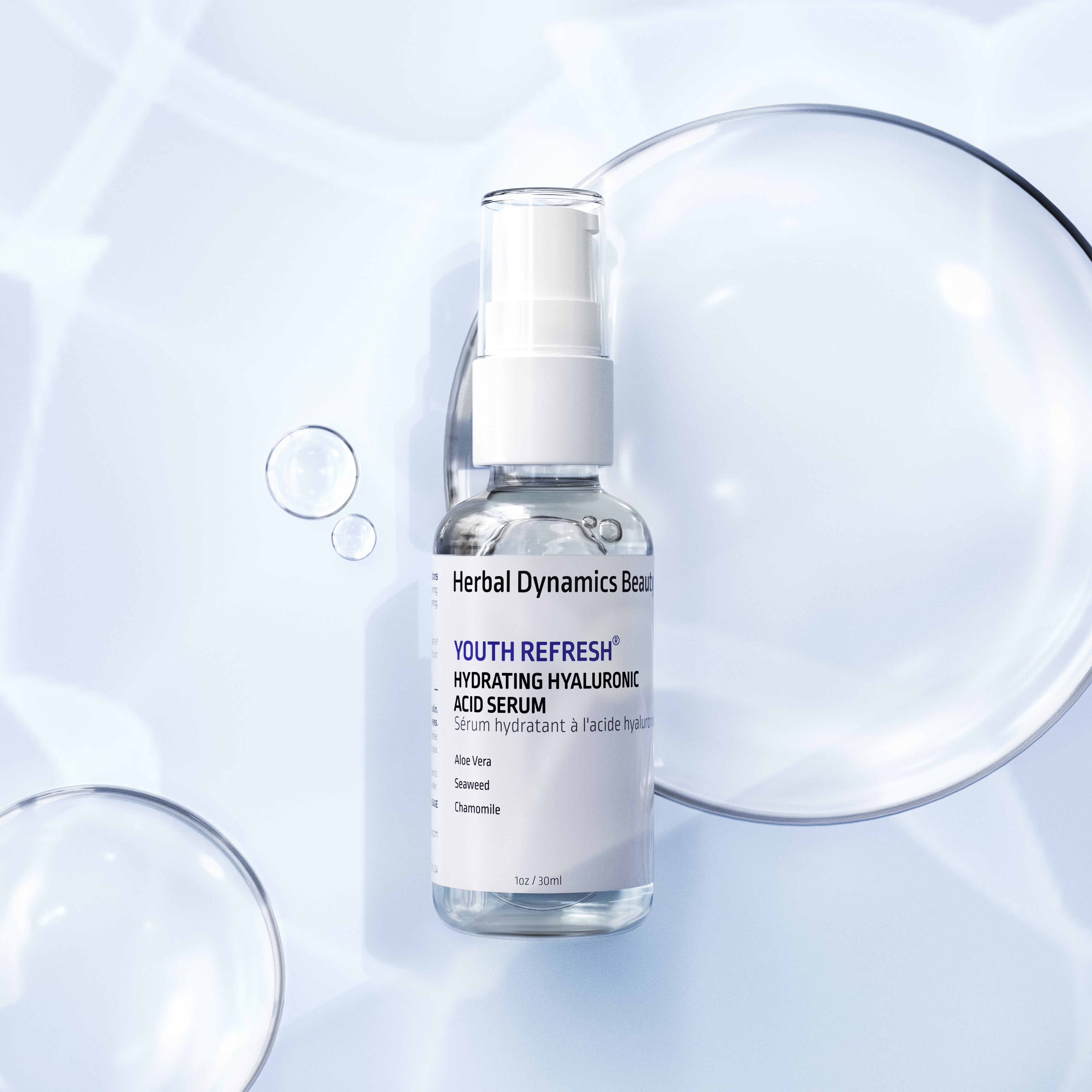
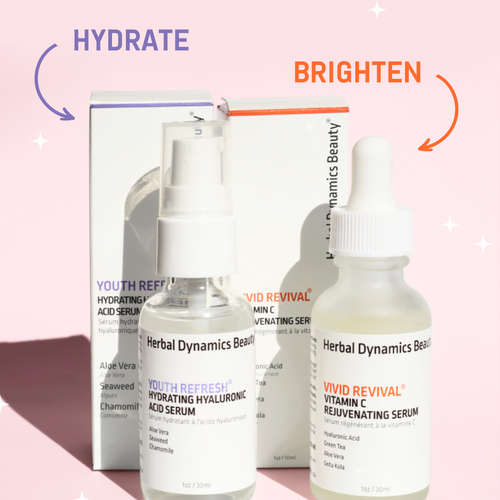
If you prefer a separate hydration step, Youth Refresh® Hydrating Hyaluronic Acid Serum is one option from Herbal Dynamics Beauty. Follow with moisturizer as needed. It is not a substitute for peptide-specific research or a permanent wrinkle treatment.
Vitamin C is a nutrient involved in normal collagen formation and antioxidant processes. That biological role does not establish a collagen-rebuilding result for every serum. The vitamin C research review distinguishes dietary adequacy, cell research and topical findings.
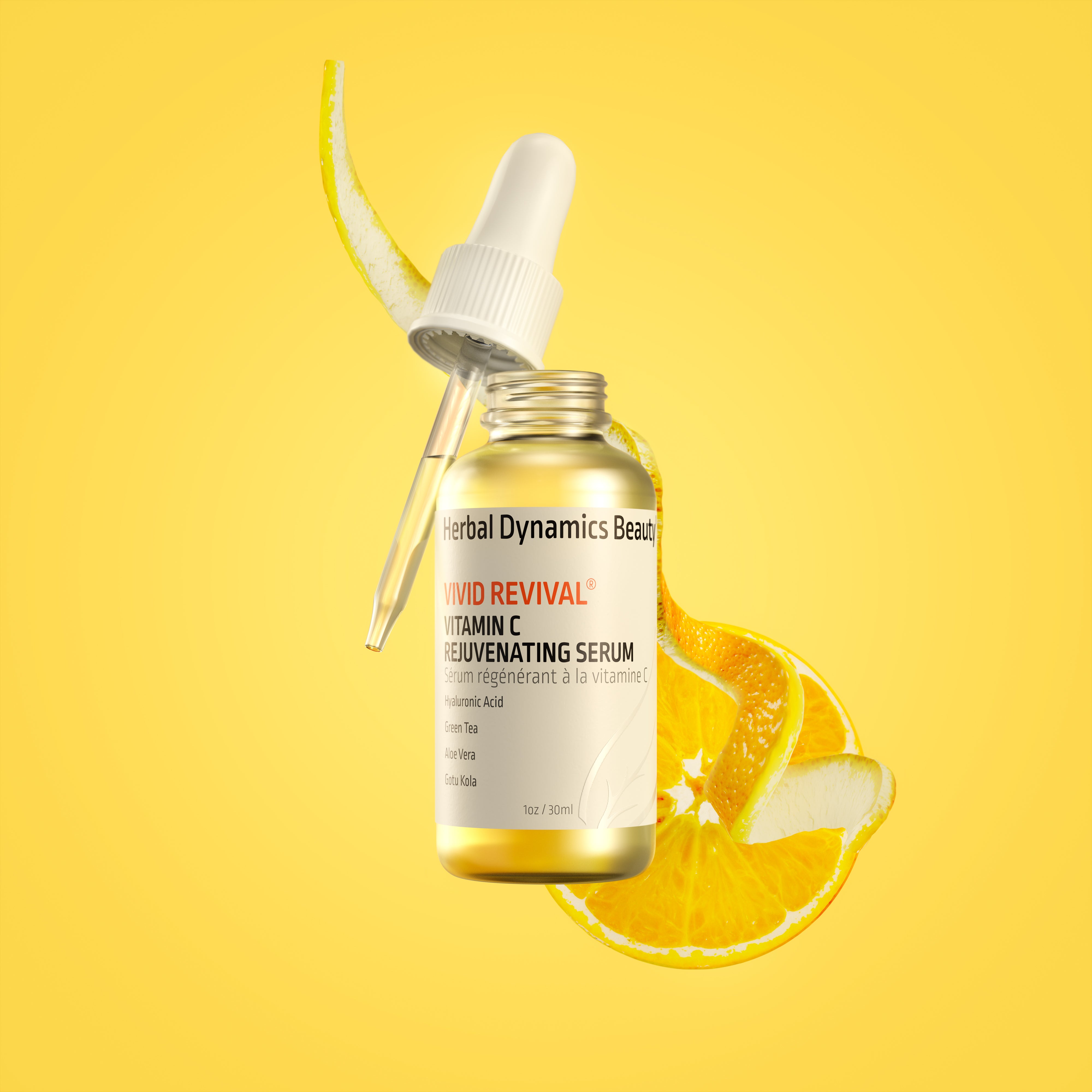
For uneven-looking tone alongside visible aging, a tolerated vitamin C product may fit the goal better than adding a peptide alone. Vivid Revival® Vitamin C Rejuvenating Serum contains ethyl ascorbic acid; results from a different L-ascorbic-acid formula should not be assigned to it.
Many moisturizing formulas combine different ingredient classes. Compatibility of separate finished products still depends on their instructions, particularly for copper peptides, direct acids and acidic vitamin C. Use the combination guide for that question; this comparison is about selecting the ingredient’s role.
For a serum purchase, start with our concern-based serum guide or the peptide commercial guide. For collagen versus elasticity, see the structural-protein comparison.
General cosmetic education; not a diagnosis or individualized treatment plan. A qualified clinician can assess persistent skin changes and prescription or procedure options.
By Herbal Dynamics Beauty • Updated September 19, 2026