Your Cart is Empty
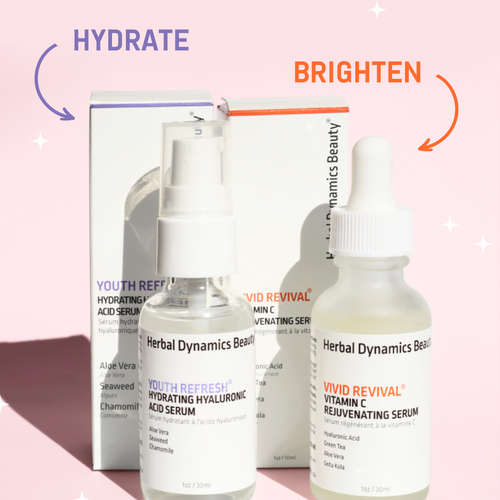
Peptide products can often share a routine with hydrating and barrier-supporting ingredients, but compatibility depends on the exact formulas. Hyaluronic acid and niacinamide are common partners. Vitamin C, retinol and strong acids require a closer look at the label, particularly with copper-peptide serums.
Do not turn a manufacturer’s restriction for one product into a rule about all peptides. Equally, a general compatibility chart is not a reason to ignore your product’s directions.
| Pairing | Practical starting point | When to change the plan |
|---|---|---|
| Peptides + hyaluronic acid | Usually a straightforward moisturizing combination; one formula may already contain both | Reduce layers if products pill or feel sticky |
| Peptides + niacinamide | Often compatible in finished products and simple routines | High-strength niacinamide or other ingredients may irritate; check both labels |
| Peptides + vitamin C | Check the peptide formula’s instructions, especially for acidic L-ascorbic acid | Separate into different routines if the maker advises it or the combination stings |
| Peptides + retinol | May fit a routine if permitted; establish retinol tolerance first | Copper-peptide formulas may have explicit restrictions; moisturizer cannot cancel all irritation |
| Peptides + exfoliating acids | Avoid assuming that every peptide tolerates every low-pH product | Follow the manufacturer; alternate when instructions are unclear |
| Peptides + ceramides | A ceramide moisturizer can complete the routine | A damaged barrier needs simplification, not more optional actives |
Copper complexes introduce formulation considerations beyond the presence of amino acids. As one concrete example, The Ordinary’s copper-peptide directions list retinoids, direct acids and certain antioxidants as products to avoid combining. That is actionable guidance for that serum—not proof that every peptide-vitamin C combination is harmful.
Compatibility within a professionally formulated bottle also differs from mixing two products together at home. Do not pour separate serums into one container or dilute them to attempt to “fix” their pH.
Vitamin C comes in different forms and vehicles. A water-based acidic L-ascorbic-acid serum and a derivative-based emulsion are not chemically interchangeable. Check product-level guidance rather than relying only on the word vitamin.
A simple solution, when permitted, is vitamin C in the morning and peptides in the evening. Separating them is a scheduling choice, not evidence that all formulas would neutralize one another. Read the vitamin C guide and the copper-peptide guide for the ingredient background.
Add a peptide only after the retinol routine is comfortable. Introducing both on the same day makes it difficult to identify what causes a reaction. If a label allows both, use a suitable moisturizer and follow the retinol directions. If it prohibits combining them, use separate routines or choose another formula.
Do not use a peptide serum to push through retinol burning. Our peptides-versus-retinol comparison helps decide whether you need both at all.
These pairings often make practical sense because they address hydration or the moisturizing system. The peptide product may already contain them. If so, another serum is optional. Check the ceramide guide when dryness persists despite layering water-based serums.
No universal five-, ten- or thirty-minute wait has been shown to make every incompatible product pair compatible. If product instructions do not answer the question, contact the manufacturer rather than experimenting with multiple strong actives.
Pilling can come from too much product or incompatible textures; try fewer layers without reducing sunscreen below its directed amount. Burning, a rash or swelling is a different problem: stop the suspected product and seek care for a significant or persistent reaction. A home test cannot rule out every delayed allergy.
General cosmetic education; not a diagnosis or individualized treatment plan. A qualified clinician can assess persistent skin changes and prescription or procedure options.
By Herbal Dynamics Beauty • Updated September 19, 2026