Your Cart is Empty
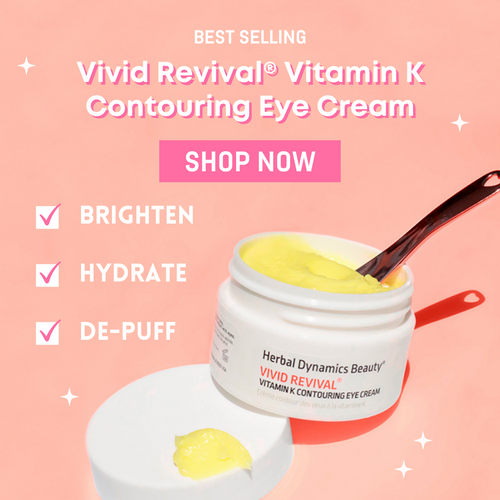
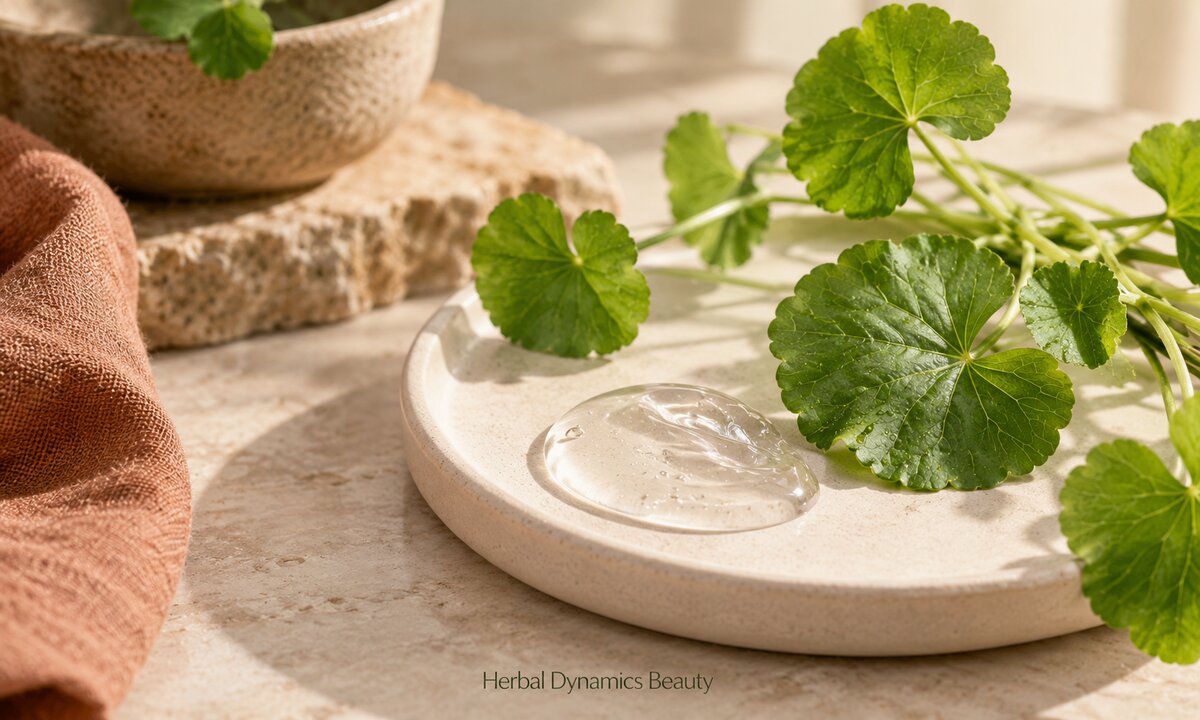
Centella can be included in routines with moisturizing ingredients and many other skincare actives. The practical decision is whether the complete products suit your skin and serve different useful roles. Two ingredients appearing together does not prove that the combination works better than either one alone.
| Ingredient alongside Centella | Possible routine role | What to watch |
|---|---|---|
| Ceramides | A lipid-containing moisturizing step | A watery cica serum does not replace an adequate moisturizer |
| Panthenol | Moisture support in the same product or routine | You may not need a separate serum for each ingredient |
| Hyaluronic acid or glycerin | Water-binding ingredients | Very dry skin may still need a richer moisturizing layer |
| Niacinamide | An ingredient with its own barrier, tone and oiliness evidence | Choose the niacinamide product by its full formula and tolerance |
| Green tea | Another botanical with different constituents | Neither plant makes a product a sunscreen or an acne treatment |
| Vitamin C | An antioxidant or tone-focused step | The vitamin C form and complete formula still matter |
| Retinoids or exfoliating acids | A separate targeted active step | Cica does not make an irritating active harmless |
A human observational study evaluated these ingredients together in one facial cream. It did not test ingredient-by-ingredient superiority or prove that separate layers reproduce the formula. That is why a comfortable multifunctional moisturizer can be a sensible choice without becoming a prescription for everyone.
The dedicated comparisons explain Centella and ceramides and Centella and panthenol. For a dry routine, decide first whether your moisturizer is adequate.
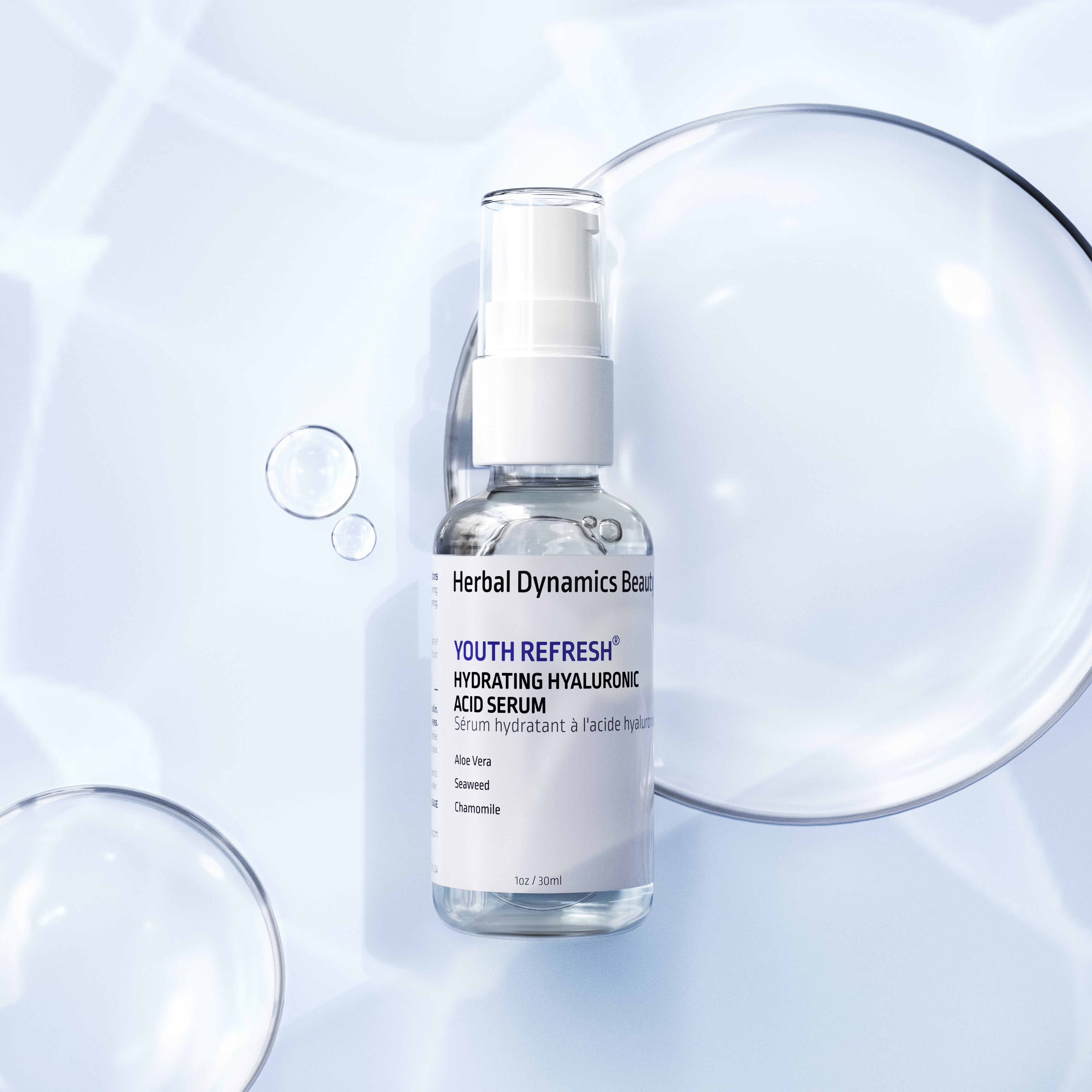
Hyaluronic acid addresses a water-binding role. Adding Centella does not remove the need for other moisturizing ingredients when skin is dry. A study of a fluid containing hyaluronic acid, glycerin and Centella tested the complete mixture; its findings cannot isolate a two-ingredient synergy.
Our hyaluronic acid guide explains hydration more fully. If several hydrating serums feel sticky or pill, consider whether one could perform the job.
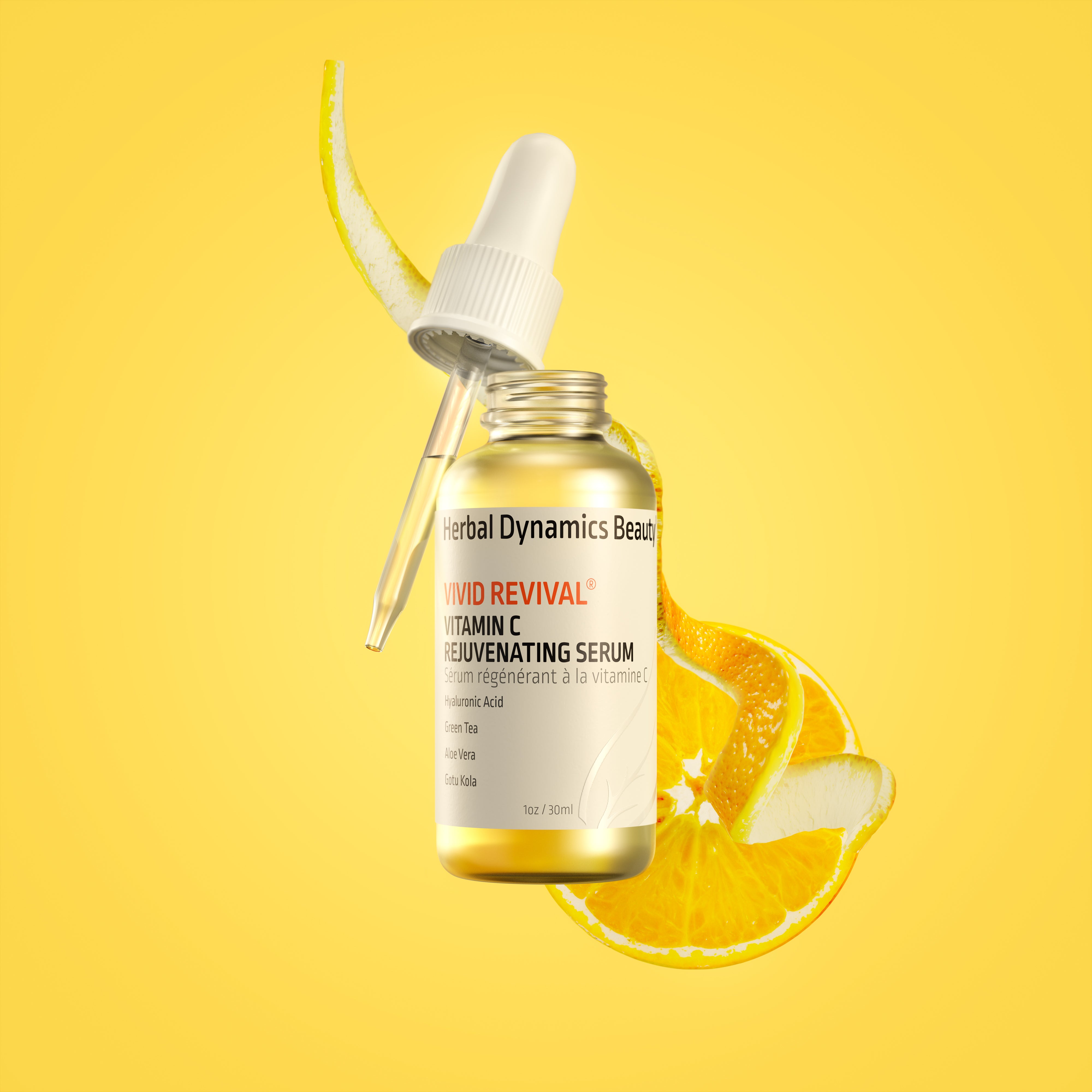
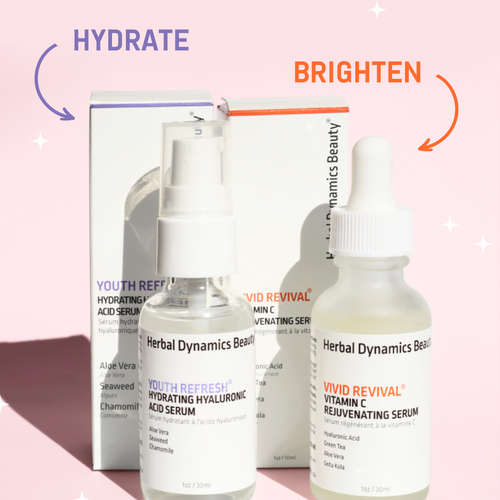
These can appear together in a finished formula. Vivid Revival® Vitamin C Rejuvenating Serum, for example, lists Centella, green tea, ethyl ascorbic acid, hyaluronic acid and dexpanthenol. This is a verified formulation example, not proof of clinical synergy between each pair.
A human trial involving madecassoside and vitamin C studied a different specified combination. It does not validate every vitamin C–Centella product or provide a universal layering rule. See Centella versus green tea and the vitamin C guide for ingredient-specific evidence.
For two separate serums, use Centella and niacinamide to decide order and whether both are needed. For retinol or AHA/BHA, use Centella with retinol and exfoliating acids. The more potentially irritating active sets the caution level; Centella does not erase its directions.
Use each product as directed. Layering suitable finished products is different from pouring them into the same container or adding raw extracts. Home mixing makes the final concentration, stability and preservation uncertain.
Introduce one change at a time so you can tell what your skin tolerates. Keep prescription instructions as your first guide, and simplify if persistent stinging or a rash develops.
For a basic sequence, follow how to use Centella skincare. For the ingredient identity behind all these pairings, return to the Centella pillar.
By Herbal Dynamics Beauty • Updated October 1, 2026
Commercial disclosure: Herbal Dynamics Beauty publishes this guide and sells the Herbal Dynamics Beauty products mentioned. Research citations are provided for education and do not imply that the researchers endorse our products. Ingredient studies are not clinical tests of these finished formulas.