Your Cart is Empty
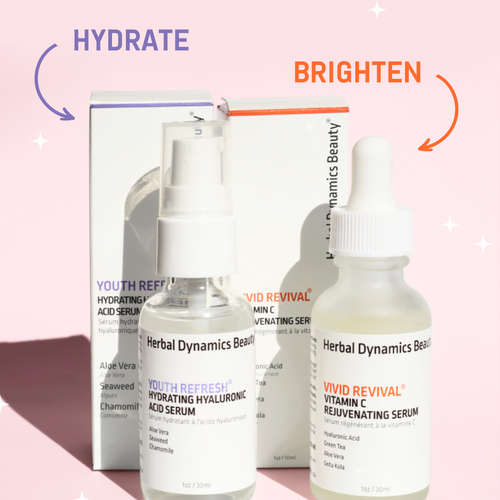
Licorice root and vitamin C offer different routes within cosmetic skincare. Licorice is a botanical extract with variable compounds; vitamin C products may use L-ascorbic acid or a derivative. Both have research relevant to uneven-looking tone, but their forms, evidence and formulation requirements are different.
| Question | Licorice | Vitamin C |
|---|---|---|
| Ingredient identity | A specified Glycyrrhiza extract or named constituent | L-ascorbic acid or a particular derivative |
| Relevant research | Glabridin pigment/antioxidant experiments and separate constituent studies | Topical studies of defined vitamin C preparations |
| Formulation question | Which compounds, how much and in what vehicle? | Which form, stability conditions and delivery? |
| Tolerance question | Full botanical formula, including other actives and fragrance | Full vitamin C formula, including acidity and other ingredients |
A glabridin experiment does not validate every root extract. Likewise, an L-ascorbic acid result should not be transferred automatically to every vitamin C derivative. The vitamin C guide owns that broader ingredient discussion.
Researchers study antioxidants using different chemical and cellular systems. A favorable result in one assay does not identify the better human serum or show that either ingredient replaces sunscreen. Licorice compounds also differ from each other, so the extract’s specification matters.
Vitamin C formulation research includes work on L-ascorbic acid absorption. Its conditions should not become universal instructions for every derivative. The glabridin guide addresses the separate licorice molecule and its delivery questions.
A small 2004 randomized split-face melasma trial studied ascorbic acid cream against hydroquinone with daily sunscreen. It was not a comparison with licorice. Licorice has different evidence, including a small liquiritin study and preclinical glabridin work. Separate trials cannot establish which product is faster for your spots.
They can appear in the same formulated product or in a comfortable routine. That practical compatibility does not prove combination synergy. Check the full lists before adding a second product: two brightening formulas may also duplicate acids, fragrance or other ingredients.
There is no universal licorice-specific waiting interval required between them. Follow the directions, use one new product at a time and stop for persistent irritation. If a vitamin C formula feels uncomfortable, changing the form or base may matter more than adding licorice over it.
For a licorice-led purchase, use the licorice selection guide. For a vitamin C pigment step, read vitamin C for dark spots. A single suitable formula may meet the need; both ingredients are optional rather than required layers.
Keep daily sun protection in a pigment routine. For the rest of the sequence, licorice use guidance and vitamin C compatibility guidance connect the two ingredient ecosystems.
By Herbal Dynamics Beauty · Reviewed October 6, 2026.