Your Cart is Empty


Most water-based hyaluronic acid serums can be applied to slightly damp skin, then followed with moisturizer. Product directions still come first.

Hyaluronic acid can be used morning, night or both. Choose frequency by comfort, product directions and the rest of your routine.

Understand hydrating combinations without assuming that a humectant serum prevents irritation or overrides an active product’s directions.

Hyaluronic acid is often compatible with sensitive skin, but the complete formula matters. Learn how to choose, patch test and introduce a serum.

Compare hyaluronic acid and ceramides: water-binding hydration versus lipid support. Learn which role your routine needs and how to use both.

Hyaluronic acid and polyglutamic acid are both water-binding polymers, but direct human comparison evidence is limited. Learn how to choose without marketing hype.

Hyaluronic acid and glycerin are both proven humectant options. Compare their texture, evidence, routine fit and why many formulas use both.

Hyaluronic acid comes in different molecular sizes. Learn what high, medium and low molecular weight can—and cannot—tell you about a skincare formula.

Hyaluronic acid does not inherently dehydrate skin, but some routines can leave skin tight. Learn the likely causes and practical fixes.

Hyaluronic acid adds a useful humectant step for dry skin, but dry skin usually also needs emollient and occlusive support.

Hyaluronic acid can help dehydrated skin hold water and look temporarily plumper, but it works best with moisturizer and a barrier-conscious routine.

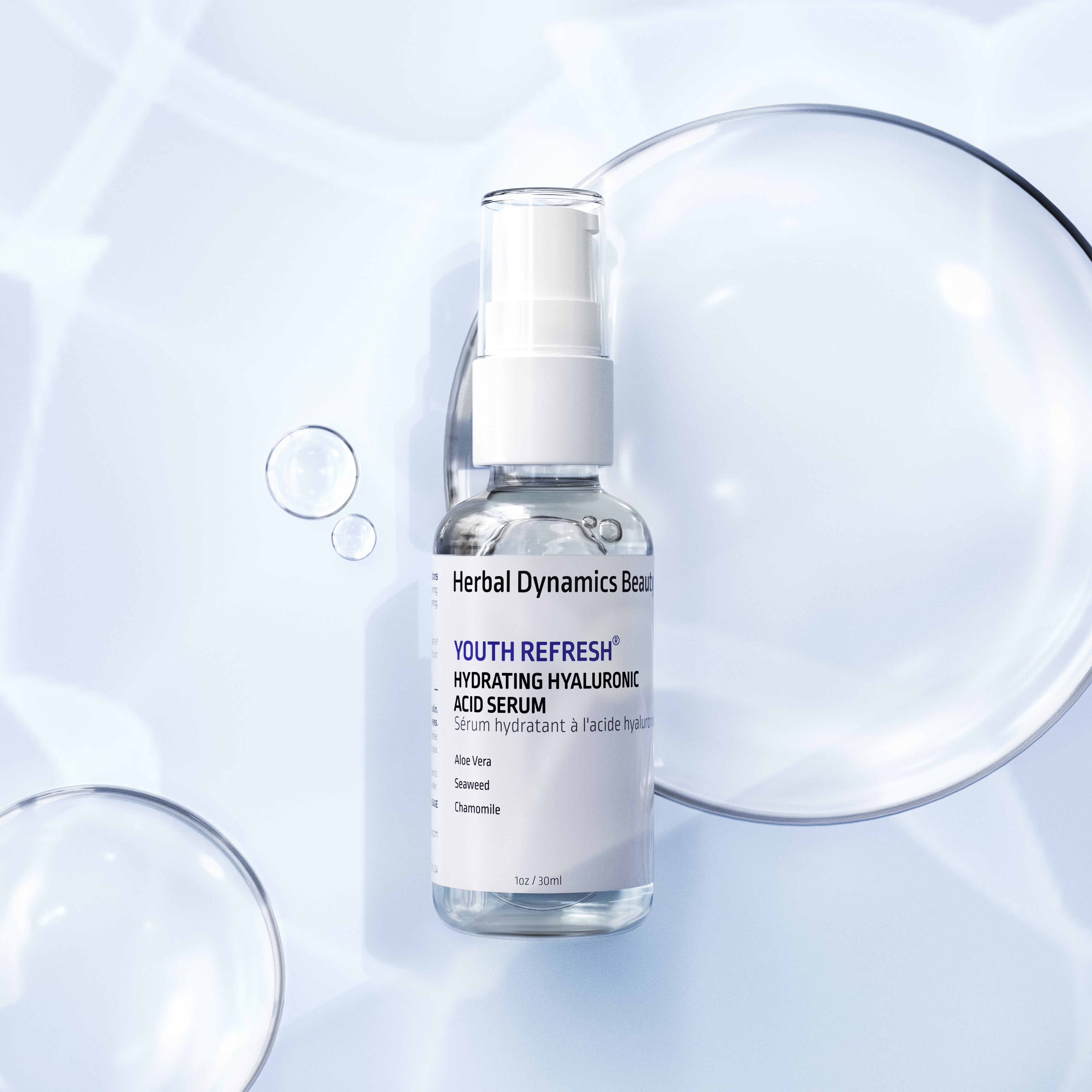
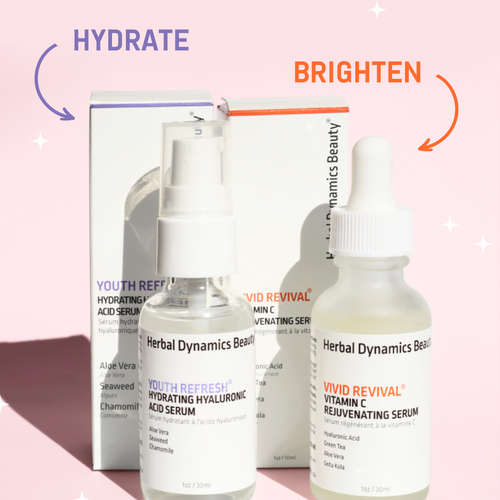
Learn how to choose a hyaluronic acid serum by formula, supporting humectants, texture and routine fit—and when Herbal Dynamics Beauty’s Youth Refresh® serum may be a good match.