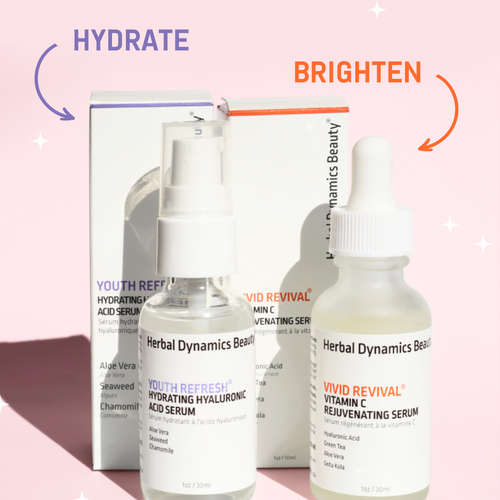
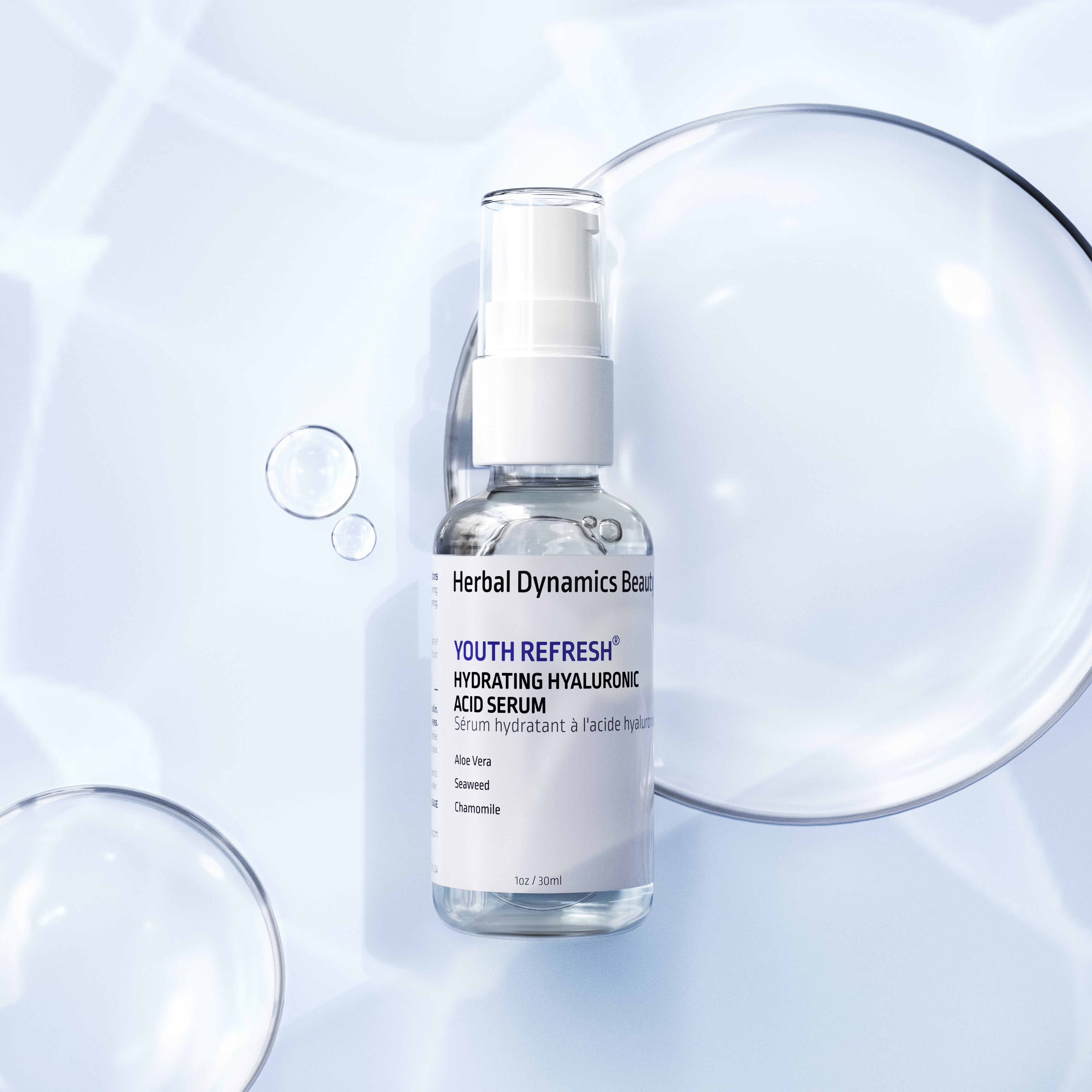
Hyaluronic acid can hydrate under-eye skin and soften dehydration lines temporarily, but it does not remove pigment, visible vessels or tear-trough shadowing.
Green tea provides antioxidant and soothing compounds, but evidence for directly erasing dark circles or bags is limited. Learn what topical green tea can realistically do.
Microcirculation is often used to explain blue or purple dark circles, but the evidence is more nuanced. Learn what is known, what is marketing, and what skincare can do.
Sunscreen can help prevent UV-related pigment and photoaging around the eyes, but it cannot fix tear troughs or every vascular dark circle. Learn how to use it safely.
Dark circles can look brown, gray, blue or purple depending on skin tone, cause and lighting. Learn how pigment, vessels and shadow present across complexions.
Dehydration can make under-eye skin look dull, crepey or more shadowed, but it is rarely the only cause of dark circles. Learn what hydration can realistically improve.
Allergic shiners are dark, puffy under-eyes associated with nasal allergies and congestion. Learn why they happen, how rubbing adds pigment, and when to seek care.
Brown or gray under-eye circles often involve melanin, sun exposure, genetics, irritation or rubbing. Learn how to recognize this pattern and choose gentle care.
Dark circles can run in families through inherited pigmentation, thin skin and facial anatomy. Learn what genetic dark circles look like and how to set realistic goals.
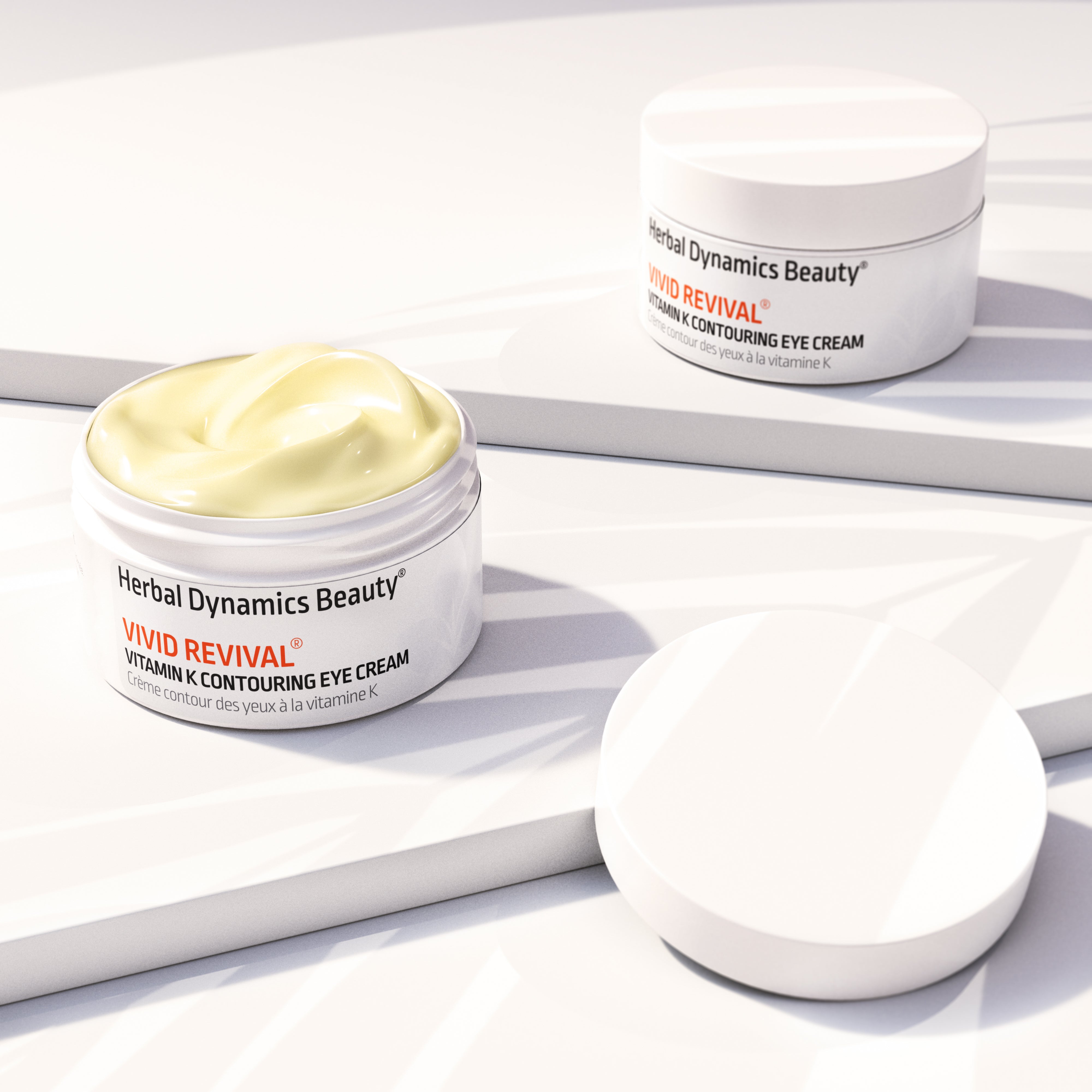
A realistic, evidence-limited guide to topical vitamin K results, study timelines, before-and-after photos, safety, and the dark-circle causes an eye cream cannot change.
Tear troughs and under-eye hollows create shadow that can look like dark circles. Learn how to identify a structural pattern and what skincare can realistically do.